Forests | nature’s climate champions
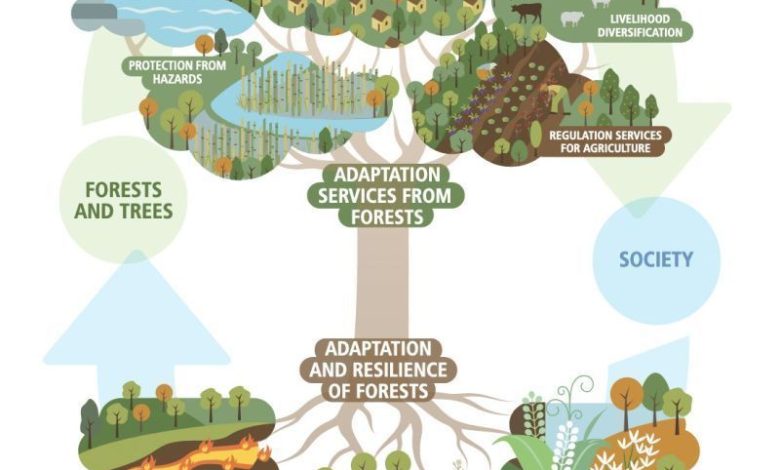
Forests are more than just carbon sinks; they play an essential role in supporting climate resilience and sustainability. Here’s how forests contribute beyond carbon sequestration:
1. Regulating Rainfall
Forests influence local and regional rainfall patterns through a process called evapotranspiration—the release of water vapor from trees and plants into the atmosphere. This helps:
- Maintain consistent rainfall cycles.
- Support agriculture and water availability.
- Mitigate droughts and desertification.
2. Providing Cooling Benefits
Forests help combat rising temperatures by:
- Lowering local temperatures through shade and transpiration.
- Mitigating the urban heat island effect in cities with green cover.
- Supporting biodiversity by maintaining habitats for temperature-sensitive species.
3. Protecting Coastal Areas
Mangroves and coastal forests act as natural barriers against extreme weather events, such as hurricanes and tsunamis. They:
- Absorb wave energy, reducing coastal erosion.
- Prevent saltwater intrusion into freshwater systems.
- Protect communities from flooding and storm surges.
4. Supporting Communities with Forest Products
Forests sustain local communities by providing:
- Non-timber products like fruits, nuts, medicinal plants, and honey.
- Livelihood opportunities such as sustainable harvesting and eco-tourism.
- Renewable building materials that reduce dependency on high-carbon alternatives.
Forests are not just ecosystems—they are lifelines. Protecting and restoring them is key to addressing climate challenges and ensuring the well-being of communities worldwide.
source :
Temukan peta dengan kualitas terbaik untuk gambar peta indonesia lengkap dengan provinsi.