The quality of life index explained: a practical overview
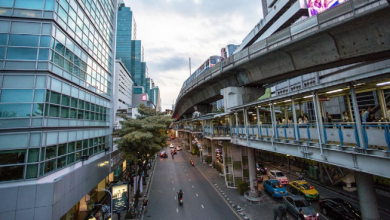
What makes a city truly livable? Is it the towering skyscrapers, bustling economies, or access to fast internet? While these elements matter, they only scratch the surface of what defines quality of life. Today, urban development is no longer just about economic growth it’s about creating cities where people can thrive, not just survive.
Recently, I came across a fascinating document by UN-Habitat (United Nations Human Settlements Programme) titled “The Quality of Life Index Explained: A Practical Overview”, which offers a fresh perspective on how we measure urban well-being. This isn’t just another ranking; it’s a multidimensional tool designed to help city leaders make better decisions by looking beyond GDP. It combines global standards with local priorities, giving us a more holistic understanding of what makes cities work for everyone.
Beyond Numbers: What is the Quality of Life Index?
The Quality of Life Index breaks down urban well-being into 9 interconnected domains, each reflecting a fundamental aspect of life. These domains range from basic services, health, and mobility, to less tangible but equally crucial elements like social cohesion, safety, and governance.
What makes this index stand out is its two-layered approach:
- Global Layer: Sets universal benchmarks so cities can track their progress alongside international standards.
- Local Layer: Adds flexibility by allowing cities to tailor the index to reflect their unique challenges, values, and aspirations.
This means a city like Vancouver might prioritize environmental sustainability, while Quito focuses on improving housing conditions. It’s not a one size fits all model it’s a customizable blueprint for better urban living.
Why This Matters Now More Than Ever
As the world rapidly urbanizes, more than half the global population now lives in cities. With this growth comes mounting pressures rising inequality, traffic congestion, air pollution, and housing shortages. In this context, measuring progress solely through economic growth is no longer sufficient. Cities need tools that capture the human experience.
The Quality of Life Index provides that much-needed perspective. It helps city leaders identify what’s working, what isn’t, and where to focus resources. Importantly, it brings people’s well-being to the forefront of urban planning and policy making.
Real-World Applications: Lessons from Pilot Cities
One of the most exciting aspects of this initiative is its adaptability. The index has already been tested in several diverse cities, each offering unique insights:
- Vancouver, Canada: Known for its high quality of life, Vancouver used the index to address gaps in housing affordability and social inclusion.
- Quito, Ecuador: Faced with urban sprawl and socio-economic divides, Quito leveraged the tool to improve accessibility to services in marginalized neighborhoods.
- Kampala, Uganda: Dealing with rapid population growth, Kampala focused on mobility and basic services to enhance day-to-day urban life.
These examples show that while every city is different, the goal is the same: to create places where everyone has the opportunity to live well.
Why This Index is a Game Changer
Quality of life isn’t just a buzzword or a lofty ideal; it’s a measurable, actionable goal. By integrating global benchmarks with local insights, the Quality of Life Index offers a data-driven approach to making cities more inclusive and sustainable. It emphasizes that progress shouldn’t just be seen in economic stats it should be felt in the daily lives of residents.
A Call to Action: Building Cities for Everyone
As urbanization accelerates, the way we measure success will define the future of our cities. Tools like the Quality of Life Index remind us that cities are not just built for efficiency they are built for people.
Whether it’s creating safer streets, improving public transport, or fostering stronger communities, the ultimate goal is to ensure that progress leaves no one behind. As more cities adopt this approach, we move closer to a world where every urban resident can thrive, not just exist. Because at the end of the day, a great city isn’t just where we live it’s where we belong.
source :