Cities for all through universal accessibility
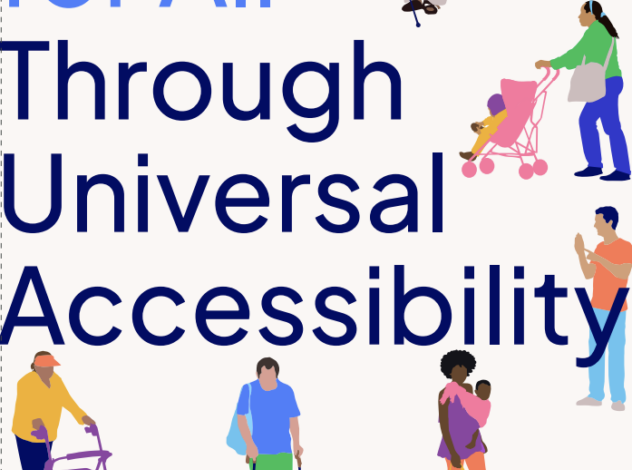
Inclusion, universal access, and empathy are not just ideals-they are the foundation for mobility systems that serve everyone. Too often, the needs of underrepresented groups such as women, the elderly, children, and especially people with disabilities, are sidelined in the planning and delivery of urban transport. Yet, when cities prioritize participatory decision-making and universal design, they unlock mobility for all, making public spaces and transportation genuinely usable regardless of ability.
Why Accessibility Matters
People with disabilities represent 16% of the global population-about 1.3 billion people-and this number will only grow as populations age4. Despite this, their needs are frequently overlooked, leading to inaccessible infrastructure and exclusion from social and economic life. Ensuring accessibility is not just a matter of compliance; it is essential for creating vibrant, equitable cities where everyone can participate fully.
Key Challenges
- Physical Barriers: Many cities, especially older ones, have infrastructure that is difficult or impossible to retrofit for accessibility, such as subway systems with limited elevator access.
- Lack of Standardization: Accessibility guidelines are often inconsistent or applied late in the planning process, making modifications inefficient and costly.
- Limited Representation: People with disabilities and other underrepresented groups are rarely included in decision-making, resulting in solutions that do not meet their needs.
- Awareness Gaps: Policymakers and planners may lack practical guidance or understanding of the lived experiences of people with disabilities.
Solutions and Next Steps
- Participatory Planning: Involve people with disabilities and other underrepresented groups directly in the design and decision-making process to ensure their needs are met from the outset.
- Universal Design Standards: Develop and enforce standardized guidelines for accessibility, integrating them into all stages of urban planning and procurement.
- Innovative Technology: Leverage apps and digital tools to map accessible routes and provide real-time information, empowering users to navigate cities more easily.
- Capacity Building: Establish advisory boards, offer education for planners, and create certification processes for accessibility engineers to raise accountability and expertise.
- Awareness Campaigns: Use multimedia materials and storytelling to highlight barriers and successful solutions, fostering empathy and public support for inclusive mobility.
The ITDP and TUMI Initiative
Recognizing these challenges, the Institute for Transportation and Development Policy (ITDP) and the Transforming Urban Mobility Initiative (TUMI) have joined forces to improve mobility access for people with disabilities, especially in Latin America, Africa, and Asia. Their collaboration includes forming an expert advisory board, producing research reports, visual policy briefs, and multimedia content to raise awareness and provide practical guidance for more inclusive transport systems.
Toward Cities for All
The path to universally accessible cities is clear: plan with empathy, prioritize inclusion, and involve those most affected in every stage of the process. By investing in accessible infrastructure now, cities can avoid costly retrofits later and ensure that everyone-regardless of age or ability-can participate, connect, and thrive.
source:
https://itdp.org/publication/cities-for-all-through-universal-accessibility/