
Benefit of carbon pricing
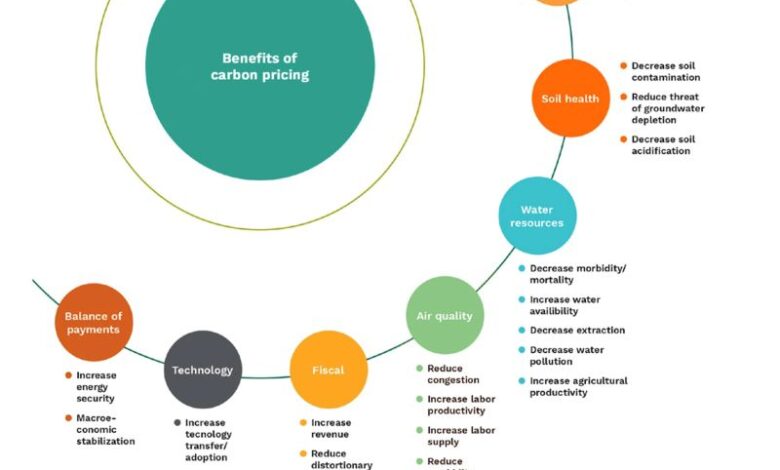
Beyond its primary role in slowing the relentless march of climate change, carbon pricing holds a remarkable potential to transform our societies for the better. It’s far more than just an environmental policy; it’s a strategic lever that can unlock a cascade of benefits, directly enhancing human well-being and fostering a more resilient future.
While the immediate gains in employment and economic growth are often highlighted, the true depth of carbon pricing’s impact lies in its ability to deliver a wide array of development benefits. Imagine cleaner air, healthier communities, and more equitable access to resources these are the tangible improvements that can ripple through society when the cost of carbon pollution is accurately reflected.
By assigning a price to carbon emissions, we create a powerful economic signal that incentivizes innovation and shifts investment towards cleaner technologies and practices. This transition, in turn, sparks new industries, creates green jobs, and encourages more sustainable consumption patterns.
But the story doesn’t end there. The revenue generated from carbon pricing can be strategically reinvested into vital areas that directly uplift communities. Picture funds flowing into:
- Improved Public Health: Reduced reliance on fossil fuels translates directly to cleaner air, fewer respiratory illnesses, and lower healthcare costs.
- Enhanced Public Transportation: Reinvesting carbon revenues can fund robust, accessible public transport systems, reducing congestion and promoting healthier, more active lifestyles.
- Sustainable Agriculture: Incentivizing low-carbon farming practices leads to healthier soil, more efficient water use, and ultimately, more nutritious food.
- Technological Advancement: Funding research and development in renewable energy and green technologies propels us towards a more sustainable and innovative future.
- Support for Vulnerable Communities: Revenue recycling can be directed to assist low-income households and vulnerable populations in adapting to the economic shifts of a decarbonized economy, ensuring a just transition.
In essence, carbon pricing isn’t just a mechanism to reduce emissions; it’s a catalyst for holistic development. It’s a way to internalize the true cost of pollution, making our economic systems work for the planet and for people, fostering a future where prosperity and well-being go hand-in-hand with environmental stewardship.
source:


