
Natural capital thinking key concepts and framework
Unlocking Nature’s Value: Why Natural Capital Thinking is Essential for Business
In a world increasingly aware of its ecological footprint, a powerful concept is reshaping how businesses operate: Natural Capital Thinking. This isn’t just another buzzword; it’s a vital framework that helps organizations truly grasp how their success is intertwined with, and impacts, the natural world. It provides a structured, insightful way to assess the critical role of healthy ecosystems in everything from day-to-day operations and robust risk management to the creation of long-term value.
A Holistic Approach to Sustainability
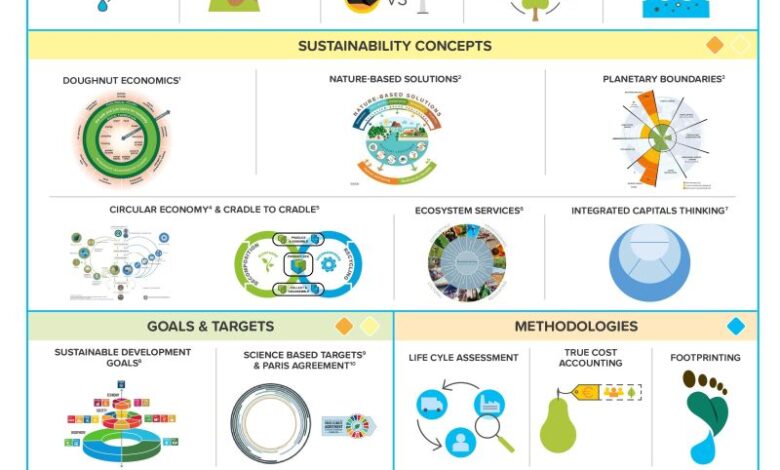
Natural Capital Thinking doesn’t stand alone. It intelligently draws from a rich tapestry of established sustainability concepts, providing a comprehensive lens for understanding our planet’s delicate balance:
- Doughnut Economics & Planetary Boundaries: These models serve as critical signposts, highlighting the ecological limits within which humanity can safely operate. They help businesses define their operating conditions within these vital environmental thresholds.
- Nature-Based Solutions & Circular Economy: These concepts offer practical pathways, guiding organizations towards innovative solutions that work with nature and minimize waste, fostering regenerative systems.
Moreover, this approach aligns seamlessly with major global initiatives, providing clear direction for integrating environmental priorities directly into corporate strategies:
- Sustainable Development Goals (SDGs): The UN’s universal call to action for peace and prosperity.
- Paris Agreement: The landmark international treaty on climate change.
- Science-Based Targets: A framework for companies to set emissions reduction targets in line with climate science.
Operationalizing Natural Capital: Tools and Transparency
Translating these concepts into actionable strategies requires robust methodologies. Natural Capital Thinking employs a range of tools to quantify impacts and dependencies, linking them directly to financial outcomes:
- Life Cycle Assessment (LCA): Evaluating the environmental impact of a product or service throughout its entire lifespan.
- Footprinting: Quantifying specific environmental impacts, like carbon or water footprints.
- True Cost Accounting: Assigning monetary value to environmental and social impacts to reveal the full cost of business.
Beyond internal assessment, certification systems and reporting standards play a crucial role in building trust and transparency:
- Certification Systems (e.g., Fairtrade, RSPO, Rainforest Alliance, ISO): These provide invaluable third-party assurance, validating sustainable practices across complex supply chains and operations.
- Reporting Standards (e.g., GRI, SASB, CDP, Natural Capital Protocol): These enable organizations to disclose their environmental performance in a consistent, comparable, and credible manner, essential for stakeholder engagement.
The Four Stages of Natural Capital Assessment
A typical natural capital assessment follows a logical, four-stage process, ensuring clarity and actionable insights:
- Frame: Clearly defining objectives and the scope of the assessment.
- Scope: Identifying the key dependencies and impacts on natural capital.
- Measure and Value: Quantifying these impacts and dependencies, often linking them to financial outcomes.
- Apply: Integrating the results into decision-making processes, strategy development, and risk management.
Understanding Key Environmental Themes
To accurately assess risks and support the transition to more sustainable business models, it’s crucial to understand the interconnectedness of key environmental themes: water, climate, biodiversity, soil, land, and pollution. By addressing these domains holistically, businesses can unlock new opportunities for innovation and build true long-term resilience.
A final, crucial point: While resources on natural capital thinking are increasingly available, proper attribution is paramount. Without it, even the most valuable information risks losing its integrity, making it harder for others to trust and act on critical sustainability messages. Let’s champion sustainability for all the right reasons, ensuring transparency and credibility pave the way for a healthier planet and more resilient businesses.
Temukan peta dengan kualitas terbaik untuk gambar peta indonesia lengkap dengan provinsi.


