Rethinking sustainability: a call to action
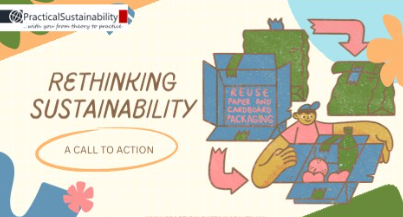
Pete Seeger’s quote, “If it can’t be reduced, reused, repaired, rebuilt, refinished, resold, recycled, or composted, then it should be restricted, redesigned, or removed from production,” is a powerful call to action. It forces us to reconsider the traditional linear model of “take, make, dispose” and embrace a circular economy. This approach views waste not as an inevitable byproduct, but as a failure of design. It’s a reminder that we all have a role to play in creating a more sustainable future.
The Core Principles
The quote breaks down into two main parts: a hierarchy of positive actions and a set of corrective measures for items that don’t fit the sustainable mold.
The “9 Rs” of the Circular Economy
The first part of Seeger’s statement highlights the actions we can take to keep materials and products in use for as long as possible. These principles are often referred to as the “9 Rs”:
- Refuse: Avoid single-use and disposable items in the first place.
- Rethink: Consider the environmental impact of a product before buying it.
- Reduce: Use less of a resource.
- **Reuse: Find new ways to use products, like refilling a water bottle.
- Repair: Fix broken items instead of replacing them.
- Rebuild: Restore a product to its original condition.
- Refinish: Give an old item a new look.
- Resell: Give products a second life by selling them.
- Recycle: Turn a product into a new material.
By prioritizing these actions, we can significantly reduce our demand for new resources and minimize the amount of waste that ends up in landfills.
When Things Go Wrong
The second part of the quote addresses what to do when an item cannot be part of the circular loop. This is where the responsibility shifts from the consumer to the producer.
- Restricted: If a product or material is harmful or unsustainable, its use should be limited. This can be done through government regulations or industry standards.
- Redesigned: Products should be created with their entire lifecycle in mind. This means using durable materials, making them easy to repair, and ensuring they can be disassembled for recycling at the end of their life.
- Removed from production: The most drastic but necessary step is to stop producing items that are inherently unsustainable and pose a threat to the environment. This is especially true for items that cannot be safely disposed of or have a disproportionately high environmental impact.
This is a powerful challenge to businesses and governments to take responsibility for the full life of their products, from design to disposal. It encourages a shift from a focus on short term profit to long-term sustainability.
From Quote to Action
For Consumers
- Make conscious choices: When you shop, ask yourself if the item can be repaired, reused, or recycled. Choose products with minimal packaging and from companies committed to sustainability.
- Embrace a “mend and make do” mindset: Instead of throwing out a broken item, try to fix it. This not only saves money but also reduces waste and can be a rewarding experience.
- Support sustainable businesses: Seek out companies that prioritize ethical sourcing, product durability, and circular business models like take-back programs or repair services.
For Organizations
- Design for circularity: Develop products that are durable, modular, and easy to disassemble. Use materials that can be recycled or composted safely at the end of a product’s life.
- Invest in new business models: Explore subscription services, product-as-a-service models, and repair and resale programs. These models can create new revenue streams while reducing environmental impact.
- Advocate for policy change: Encourage governments to implement policies that support the circular economy, such as extended producer responsibility laws and incentives for sustainable design.
Pete Seeger’s words are more than just a catchy phrase; they are a blueprint for a healthier planet. By embedding these principles into our daily lives and business practices, we can move from a disposable culture to one of lasting value and shared responsibility.
source: