Confused between ESG, GHG, SDGs, CSRD, Net Zero,

Sustainability reporting can feel like drowning in “alphabet soup.” However, these aren’t just random letters; they are the building blocks of the new global economy. Understanding them is the difference between a company that is future-proof and one that is a climate liability.
Here is your decoded map to the Top 15 Sustainability Abbreviations, categorized by how they actually function in the real world.
1. The “What” and “Why” (The Core Concepts)
These terms define the goals and the metrics we use to measure success.
- ESG (Environmental, Social, & Governance): The holistic “report card” for a company. It moves beyond profit to evaluate how a firm treats the planet, its people, and its shareholders.
- GHG (Greenhouse Gases): The culprits of global warming (CO2, CH4, etc.).
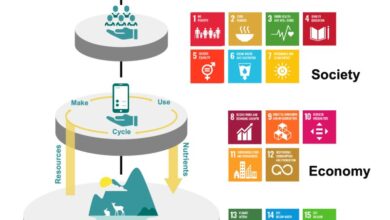
- SDGs (Sustainable Development Goals): The UN’s 17-point “To Do List” for the world, covering everything from poverty to clean energy.
- Net Zero: The ultimate finish line. It means reducing emissions as much as possible and balancing any remaining “unavoidable” emissions with removals.
2. The “How Much” (Emissions & Life Cycles)
This is the technical data required to prove a company is actually “green.”
- Scope 1, 2, 3: The hierarchy of accountability.
- Scope 1: You burned it (Direct).
- Scope 2: You bought it (Electricity).
- Scope 3: Your suppliers/customers did it (Value Chain).
- LCA (Life Cycle Assessment): A “cradle-to-grave” analysis of a product’s impact.
- PCF (Product Carbon Footprint): The specific carbon cost of a single item (e.g., “This laptop cost 200kg of CO2 to make”).
- EPD (Environmental Product Declaration): The verified “Nutrition Label” for a product’s environmental impact.
3. The “Standard Bearers” (Reporting Frameworks)
These are the rulebooks that tell companies how to write their reports so investors can compare them.
- GRI (Global Reporting Initiative): The most widely used standard for impact reporting (how the company affects the world).
- SASB (Sustainability Accounting Standards Board): Industry-specific standards (how the world’s climate affects the company’s finances).
- TCFD (Task Force on Climate-related Financial Disclosures): Focuses specifically on climate-related financial risks (e.g., “Will a flood destroy our factory?”).
- ISSB (International Sustainability Standards Board): The new global “Police Force” under IFRS, merging several standards into one universal language for investors.
4. The “Regulators” (Compliance & Platforms)
Where the data goes and who makes it mandatory.
- CDP (Carbon Disclosure Project): The world’s largest database where companies “disclose” their environmental data to the public and investors.
- CSRD (Corporate Sustainability Reporting Directive): The EU’s heavy-hitting law. It makes ESG reporting as mandatory and audited as financial reporting.
- ISO (International Organization for Standardization): The gold seal of quality. ISO 14001 (Environment) and ISO 14064 (Carbon) ensure a company’s systems are up to global code.
Comparison: Which One Do You Need?
| If you are… | You need to master… |
| An Investor | ISSB, TCFD, SASB (Financial materiality) |
| A Supply Chain Manager | Scope 3, LCA, EPD (Product impact) |
| A Policy Maker | SDGs, CSRD, Net Zero (Broad targets) |
| A Sustainability Officer | All of the above |
Why This Matters Now
Sustainability is transitioning from “voluntary PR” to “mandatory compliance.” Without these abbreviations, a company cannot access green finance, enter the EU market, or satisfy modern investors.
source:
Temukan peta dengan kualitas terbaik untuk gambar peta indonesia lengkap dengan provinsi.