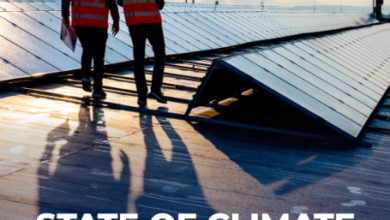
Playbook for climate finance investing in a thriving planet
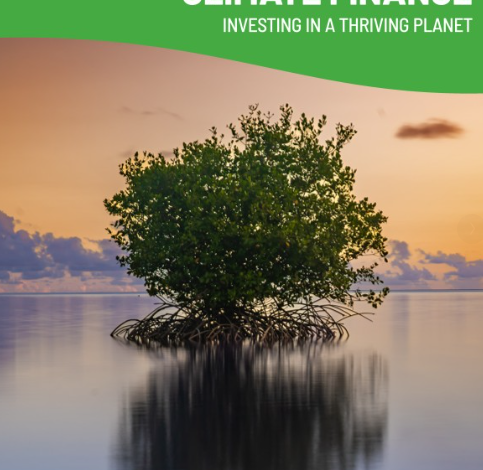
The Climate Urgency: Transforming Crisis into Global Prosperity
The world has reached a critical tipping point. 2024 was officially recorded as the hottest year in history, triggering over 150 climate disasters and displacing more than 800,000 people globally. As of mid-2025, the frequency and severity of these events continue to escalate, ranging from the most destructive wildfires in California’s history to deadly flash flooding across the Himalayas and Texas.
1. The Economic Foundation: Beyond Moral Imperative
Climate action is no longer just a matter of ethics; it is an absolute economic necessity.
- The Cost of Inaction: Climate-related disaster costs are expected to reach U.S.$145 billion this year alone, representing a 6% increase over 2024.
- Unlocking Prosperity: Conversely, climate-smart policies are projected to unlock U.S.$26 trillion in the global economy by 2030.
- Systemic Gains: A development agenda that integrates climate and biodiversity can drive innovation, strengthen resilience, and significantly alleviate poverty.
2. The Financing Gap and 2030 Targets
While climate finance grew to surpass U.S.$2 trillion for the first time in 2024, it remains insufficient to meet global needs.
- Annual Requirements: Total annual needs are estimated at U.S.$7.4 trillion through 2030.
- Renewable Energy Goals: At COP28, nations committed to tripling global renewable energy capacity and doubling the rate of energy efficiency improvements by 2030.
- Investment Surge: Reaching these goals requires an annual investment increase of U.S.$3 trillion over 2023 levels, totaling U.S.$4.8 trillion per year by 2030.
3. Nature-based Solutions (NbS): Sound Economics
With nearly half of the global GDP dependent on nature, investing in ecosystem restoration is one of the most cost-effective strategies available.
- Emission Reductions: NbS could deliver 11.3 billion tonnes of CO2 equivalent reductions by 2030 an impact comparable to ending global oil combustion.
- Return on Investment (ROI): Every U.S.$1 invested in restoration yields between U.S.$7 and U.S.$30 in economic returns, while supporting jobs, food security, and water safety.
Mobilizing Equitable Finance
Averting the worst impacts of the climate crisis requires a systemic shift in how we produce energy, grow food, build infrastructure, and move goods. The key lies in mobilizing trillions in equitable finance that reaches the most vulnerable communities worldwide to ensure a resilient and prosperous future for all.
source:
Temukan peta dengan kualitas terbaik untuk gambar peta indonesia lengkap dengan provinsi.