From Fast Fashion to Future Construction
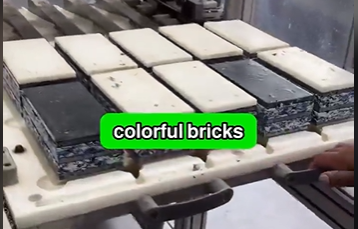
From Fast Fashion to Future Construction
What if yesterday’s discarded T-shirt could become part of tomorrow’s building?
Every second, massive amounts of textile waste are dumped or burned worldwide. Fast fashion has created a system where clothes are often worn briefly, forgotten quickly, and thrown away long before their true value is exhausted.
But innovation is beginning to challenge that cycle.
Instead of seeing old clothes as waste, new circular solutions are transforming them into sustainable construction materials — giving textiles a second life beyond the closet.
Imagine this:
A worn-out T-shirt is shredded, combined with natural binders, molded, and turned into a durable brick that can insulate spaces, reduce waste, and replace resource-intensive materials.
No toxic chemicals.
No unnecessary dyes.
No energy-heavy industrial process.
Just waste reimagined as value.
This is more than recycling.
It is a shift in thinking.
The traditional economy follows a linear path:
Take → Produce → Waste
The circular economy asks a different question:
How can waste become the raw material for something new?
Textile waste is one of the fastest-growing environmental challenges globally. Millions of tons end up in landfills each year, releasing emissions, polluting ecosystems, and wasting enormous amounts of water, energy, and labor embedded in every piece of fabric.
Turning old clothing into building materials shows what sustainable innovation can truly look like:
♻️ Reducing landfill waste
🏗️ Creating low-impact construction solutions
🌍 Lowering resource consumption
🧵 Extending the life cycle of textiles
💡 Transforming environmental problems into economic opportunities
The future of sustainability may not come only from producing more.
It may come from learning how to waste less — and redesigning the meaning of waste itself.