
Long-term Strategies for Decarbonisation
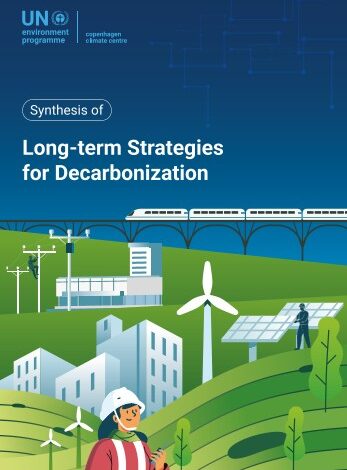
This report from the UNEP Copenhagen Climate Centre reviews long-term plans to cut emissions at three levels: countries, the power sector, and cities.
Main points –
– National long-term strategies are becoming more practical tools for governing the shift to net zero, but many still need better links to adaptation and stronger systems for tracking progress.
– Successful national pathways focus on steadily reducing fossil fuel use, expanding electricity from clean sources, protecting and growing natural carbon sinks, and supporting people through the transition so costs stay manageable.
– Cleaning up the power sector is the foundation. Most plans rely on lots of renewable energy, storage for flexibility, and sometimes nuclear power, while also making the grid more resilient to climate impacts.
– Cities matter hugely because they produce most emissions. Their plans often prioritise cleaner air and green jobs, but they need better financing and stronger coordination with national governments.
– Across all levels, success depends on good governance, treating mitigation and adaptation together, making the transition socially and economically fair, and recognising that cities, regions and countries are deeply connected.
Main message –
Long-term decarbonisation works best when national, sectoral and city plans are practical, well-governed, people-centred and connected to each other.


