Balancing Carbon Cuts and Costs: Are You Measuring the Right KPI
In the race to achieve decarbonization goals, it’s crucial to ask not just what actions are being taken but how effectively they’re being implemented. The success of these efforts hinges on measuring the right Key Performance Indicators (KPIs) and economic metrics to ensure progress is both sustainable and financially sound.
The Challenges:
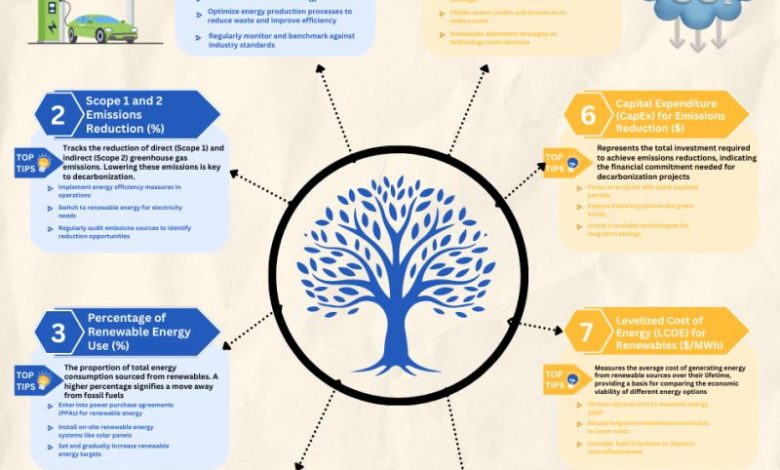
✅ Carbon Intensity (gCO₂e/kWh):
Reducing emissions per unit of energy is a critical target. However, focusing solely on this metric without considering the financial viability of carbon abatement can lead to unsustainable efforts.
✅ Scope 1 and 2 Emissions Reduction (%):
While reducing direct and indirect emissions is essential, the capital required for these reductions can be overwhelming without a strategic approach to prioritizing projects.
✅ Percentage of Renewable Energy Use (%):
Transitioning to renewable energy is necessary for decarbonization, but neglecting the Levelized Cost of Energy (LCOE) can result in financial strain and jeopardize project feasibility.
✅ Energy Efficiency Improvement (%):
Increasing energy efficiency is a straightforward goal, yet the actual economic benefits must be clearly tracked and reinvested to sustain long-term progress.
How to Overcome These Challenges:
☑ Optimize Carbon Abatement Costs:
Begin by targeting low-cost, high-impact strategies. Leverage carbon credits to boost Return on Investment (ROI) and ensure that efforts are both environmentally and financially sustainable.
☑ Smart Capital Allocation:
Focus on projects with quick payback periods and explore financing options like green bonds to distribute costs over time, making capital expenditures more manageable.
☑ Strategic Renewable Investments:
Carefully select sites for renewable energy projects that offer the best potential for cost-efficiency. Consider hybrid systems that combine different energy sources to maintain a competitive LCOE.
☑ Reinvest Energy Savings:
Conduct thorough energy audits to identify potential savings. Reinvest these savings into further efficiency improvements, creating a virtuous cycle of continuous progress.
Decarbonization is more than just a trend—it’s a critical strategic goal. By balancing the right KPIs with informed economic analysis, businesses can drive meaningful, sustainable change. The key lies in measuring what truly matters, ensuring that efforts to reduce carbon footprints are both effective and economically viable.
source :