
Tahukah Anda
Climate Change in Canada
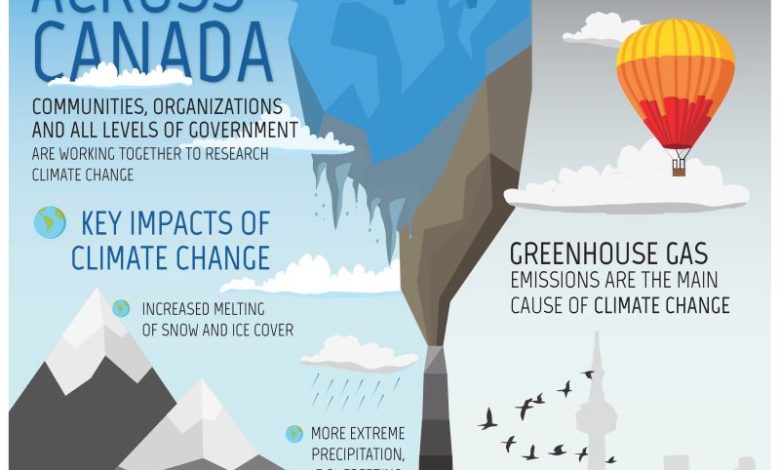
Canada is experiencing significant impacts from climate change, with notable changes observed in temperature, precipitation patterns, and ecosystems across the country. The effects vary by region, but the general trends include:
1. Warming Trends:
- Canada is warming at twice the global average, with some northern areas warming even faster. This is due to feedback mechanisms, such as the loss of reflective ice surfaces in the Arctic, which amplifies warming.
- Over the last century, average annual temperatures in Canada have increased by about 1.7°C, with greater warming in the north (up to 2.3°C).
2. Melting Ice and Rising Sea Levels:
- The Arctic region is witnessing a rapid loss of sea ice, contributing to rising sea levels and threatening coastal communities, particularly in the North.
- Glaciers in the Canadian Rockies are retreating at a significant pace, which affects freshwater availability for downstream ecosystems and human use.
3. Extreme Weather Events:
- Wildfires: Canada has seen an increase in the frequency and intensity of wildfires, especially in provinces like British Columbia and Alberta. Warmer temperatures and drier conditions due to climate change create more favorable conditions for fires.
- Floods: Many areas in Canada, such as Ontario and Quebec, are experiencing more frequent and intense flooding due to increased precipitation and rapid snowmelt.
- Heatwaves: The frequency and severity of heatwaves are increasing, posing risks to human health, especially in cities like Toronto and Montreal.
4. Impact on Ecosystems:
- Warming is leading to changes in forests, with increased tree mortality due to pests like the mountain pine beetle, which thrives in warmer conditions.
- Biodiversity: Species such as polar bears and caribou are being affected by habitat loss due to shrinking ice cover and changing vegetation patterns.
- Ocean Warming and Acidification: In the Atlantic and Pacific Oceans, marine ecosystems are changing, impacting fisheries and coastal communities.
5. Indigenous and Northern Communities:
- Indigenous communities, particularly in the Arctic, are experiencing disruptions to their traditional ways of life. Thawing permafrost is damaging infrastructure, while changes in wildlife patterns affect hunting practices.
Canada’s Climate Policies:
- Net-Zero by 2050: Canada has committed to reaching net-zero emissions by 2050. The 2021 Canadian Net-Zero Emissions Accountability Act enforces this goal with specific targets for emissions reduction by 2030.
- Carbon Pricing: Canada implemented a national carbon pricing system to reduce emissions, which is part of the country’s broader strategy to fight climate change.
- Adaptation Initiatives: Canada is investing in measures to adapt to the impacts of climate change, including strengthening infrastructure, improving emergency response systems, and supporting climate-resilient agriculture.
Overall, climate change in Canada is not just an environmental issue, but also an economic and social challenge, requiring coordinated efforts across all levels of government, industries, and communities transitioning to renewable energy, reforestation, and implementing climate-resilient infrastructure.
source :


