Protecting Japan’s Groundwater: A Forest-Centric Approach to Sustainability
Japan’s abundant supply of high-quality water is something many take for granted. Yet, beneath the surface lies a fragile balance that, if disrupted, could compromise this precious resource. Groundwater, essential for drinking and irrigation, is under threat globally. A new study analyzing 170,000 wells across 40 countries reveals a sobering reality: 71% of aquifers are experiencing declining water levels at an accelerating pace. By 2025, 1.8 billion people may face “absolute water scarcity,” according to the United Nations Food and Agriculture Organization.
In this global context, Japan remains one of the few countries with a relatively stable water supply. But its security is not guaranteed. The post-World War II economic boom brought rapid industrialization, leading to excessive groundwater extraction that triggered land subsidence and salinization in some regions. Now, the challenges have evolved—climate change and forest degradation are emerging as new threats to the delicate system that keeps Japan’s underground water stable.
But there’s hope. The key to safeguarding Japan’s groundwater lies not just in strict regulations but in something deeper, more rooted in the earth itself—its forests.
The Quiet Guardians of Groundwater
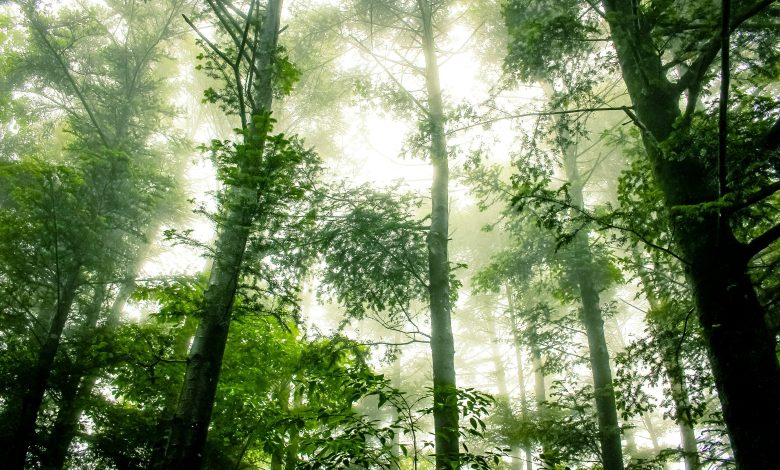
At first glance, forest conservation might seem like a side issue in the fight to protect groundwater. But in reality, healthy forests are nature’s own water management system. Forests act as sponges, allowing rainwater to filter through the soil, replenishing underground reservoirs. When forests are degraded, this process breaks down, leading to less groundwater recharge, higher risks of floods and landslides, and dirtier water.
Forests cover 66% of Japan’s land—a stable figure for over half a century—but not all of these forests are in good condition. Many once-maintained forests have been neglected, and human activity has encroached on previously untouched areas. These trends have sparked alarm among environmentalists and the government alike. But where there are threats, there are also opportunities, and across Japan, a growing movement is taking root.
Public and Private Sectors Join Forces
In the face of these mounting challenges, forward-thinking companies like Suntory Holdings are stepping up to protect not just their business interests but the environment at large. Suntory’s Natural Water Sanctuary Initiative is a model of what’s possible when businesses take responsibility for the ecosystems they rely on. Since 2003, Suntory has partnered with local communities, government agencies, and experts to conserve and restore “natural water forests” around its factories. These forests, carefully managed and surveyed, are vital to ensuring that the groundwater Suntory uses is replenished sustainably.
What makes this initiative stand out is its long-term commitment—some contracts last up to 100 years. Suntory’s work now spans 12,000 hectares across 26 locations in 16 prefectures. The water these forests help conserve is double the amount the company uses, setting a benchmark for corporate environmental responsibility. Beyond their immediate business interests, companies like Suntory are investing in water security for future generations.
But Suntory isn’t alone. Coca-Cola Japan has also entered the fray, launching a partnership with cities in Shizuoka Prefecture for a three-year water conservation project beginning in 2025. These public-private partnerships are creating a ripple effect, inspiring others to join the effort.
Local Governments Embrace Forest Conservation
Japan’s local governments aren’t sitting idle either. Tokyo’s Bureau of Waterworks manages 25,000 hectares of forest to protect the capital’s water sources. They’ve even begun acquiring private forests from owners who are no longer able or willing to maintain them, integrating these areas into their conservation efforts.
To encourage corporate involvement, the Bureau has developed a unique naming rights programme, allowing companies to support forest conservation in designated areas for three years. This initiative, along with an annual sponsorship programme, has already attracted multiple companies eager to contribute to water and environmental sustainability.
More Than Just Water
What’s striking about these efforts is how multi-dimensional the benefits are. Protecting forests doesn’t just secure water—it also helps reduce carbon emissions, restore biodiversity, and prevent natural disasters. Healthy forests are not only vital to groundwater recharge but act as carbon sinks, playing a crucial role in the fight against climate change. They also create habitats for wildlife, helping to preserve Japan’s unique biodiversity.
The World Economic Forum has recognized water security as one of the most pressing global challenges of our time, especially in the context of climate change. By fostering innovation through platforms like UpLink, the Forum is driving investment in water conservation technologies. Japan’s approach, combining public-private partnerships with community involvement, is emerging as a global model for how to tackle the intertwined crises of water scarcity, climate change, and biodiversity loss.
The Path Forward
As Japan’s forests stand as silent guardians of the nation’s groundwater, the lesson for the world is clear: long-term, sustainable efforts are needed to protect our most vital resources. It’s not enough to regulate water use; we must look to the ecosystems that naturally provide it. Forest conservation, public-private collaboration, and community engagement offer a path forward not only for Japan but for the many regions around the world facing similar water challenges.
By focusing on forests, Japan isn’t just protecting its groundwater—it’s safeguarding its future. In doing so, it is showing the world that real progress in water conservation requires looking beneath the surface and working with the natural systems that have sustained life for millennia. As threats to global water supplies intensify, Japan’s integrated, forward-thinking approach offers hope and inspiration for us all.
source :
https://www.weforum.org/agenda/2024/09/forest-conservation-key-safeguarding-japan-underground-water