Scope 3 GHG emissions: the hidden giants of corporate carbon footprints
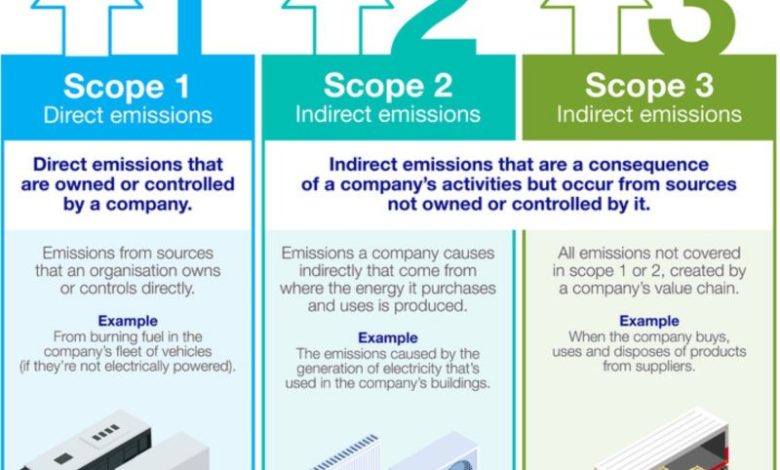
When it comes to tackling climate change, Scope 3 emissions are often the elusive giants hiding in plain sight. While many companies focus on Scope 1 (direct emissions) and Scope 2 (indirect emissions from energy use), the Scope 3 emissions represent a much larger and often overlooked portion of a company’s carbon footprint—sometimes as much as 80-90%. These emissions are not under a company’s direct control, but they occur across the entire value chain, making them more challenging to measure and manage. However, recognizing and addressing these emissions is crucial for companies serious about making a significant impact on their sustainability journey.
So, what makes Scope 3 emissions so important, and why should companies prioritize them?
The Scope 3 Landscape: Understanding the Full Impact
Scope 3 emissions are the ripple effects of a company’s operations, extending far beyond its walls. These emissions are generated from activities like raw material extraction, transportation, the use of products by consumers, and even the treatment of products at the end of their life. They span 15 distinct categories, each representing a piece of the puzzle that contributes to a company’s overall carbon footprint.
Here’s a breakdown of the key categories:
- Purchased Goods & Services
- Capital Goods
- Fuel- and Energy-Related Activities
- Upstream Transportation & Distribution
- Waste Generated in Operations
- Business Travel
- Employee Commuting
- Upstream Leased Assets
- Downstream Transportation & Distribution
- Processing of Sold Products
- Use of Sold Products
- End-of-Life Treatment of Sold Products
- Downstream Leased Assets
- Franchises
- Investments
Each of these categories represents an opportunity for a company to reduce its indirect emissions—and when tackled collectively, they can lead to meaningful, systemic change.
Why It Matters: Beyond Just the Numbers
While the numbers behind Scope 3 emissions may seem daunting, focusing on them can have a profound impact on both a company’s sustainability performance and its long-term business success. Addressing Scope 3 emissions means addressing the entire ecosystem of production, distribution, use, and disposal—influencing everything from suppliers to consumers and even investors.
By reducing emissions in these areas, companies can create a ripple effect throughout their value chains, encouraging suppliers to adopt more sustainable practices, designing products that generate less waste, and even influencing consumer behavior towards greener choices. The change is far-reaching, affecting every layer of business and society.
Calculating Scope 3: The Path to Action
While Scope 3 emissions are complex and challenging to calculate, the process is a vital step towards a more sustainable future. Here’s how companies can start measuring and reducing Scope 3 emissions:
- Data Collection: The first step is gathering accurate, reliable data. Companies must work closely with suppliers, partners, and other stakeholders to collect activity data across the entire supply chain—whether it’s fuel consumption, transportation distances, or business travel.
- Emission Factors: Using the right emission factors is key to translating activity data into emissions. These factors, sourced from frameworks like the GHG Protocol and Carbon Trust, help companies understand the emissions generated per unit of activity—whether it’s per ton of material used or per mile traveled.
- Activity Data: Gathering the right activity data is crucial. This includes quantities of raw materials used, volumes of waste generated, distances traveled, and more. The more granular the data, the more accurate the emission calculations.
- Calculation: Once the activity data is in hand, the next step is to apply the emission factors to estimate the emissions for each of the 15 Scope 3 categories. This gives companies a clearer picture of where their largest emissions impacts lie and helps identify the most effective areas for reduction.
The Ripple Effect: Driving Real Change
Calculating and reducing Scope 3 emissions may be complex, but the impact is undeniable. Companies that commit to understanding and addressing their Scope 3 emissions are not only reducing their carbon footprints—they are also driving systemic change across industries. They are influencing partners, suppliers, and customers to adopt lower-carbon practices, creating a sustainable cycle that extends far beyond their own operations.
By taking responsibility for the entire value chain, companies can be catalysts for change, leading by example and inspiring action at all levels. In doing so, they help to create a more resilient, sustainable economy that works in harmony with the planet.
The Bigger Picture: A Sustainable Future for All
Scope 3 emissions are more than just a corporate responsibility—they are a chance for companies to take leadership in the global fight against climate change. By addressing Scope 3, companies are helping to pave the way for a low-carbon economy, where every part of the supply chain contributes to a healthier, more sustainable world.
This is where true climate leadership lies—not in isolated actions, but in an integrated approach that considers the full spectrum of a company’s impact. The challenge is great, but so is the opportunity.
By measuring, reducing, and ultimately eliminating Scope 3 emissions, businesses can transform their value chains and play a central role in achieving global climate goals. It’s time to turn the hidden giants of Scope 3 emissions into opportunities for innovation, collaboration, and a better, greener future for all.
source :