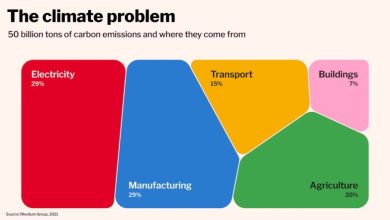
Carbon footprint

It’s more than just a number it’s a reflection of the impact we leave on the planet through the greenhouse gases we emit, whether as individuals, companies, or the products we use every day. This total is measured in carbon dioxide equivalent (CO₂e) giving us a universal language to talk about climate impact.
But here’s where it gets interesting. To truly understand where emissions come from and how to cut them, we need to break them down. That’s where the concept of ‘Scopes’ comes in a framework created by the globally recognized GHG Protocol.
Quick breakdown:
- Scope 1: Direct emissions from sources you control (think company vehicles or boilers).
- Scope 2: Indirect emissions from the electricity you purchase and use.
- Scope 3: All other indirect emissions from the products you buy, business travel, waste, and even how your products are used once they leave your hands.
- Scope 4 (emerging): Emissions avoided through climate-positive actions or innovations you enable.
Why does this matter?
Because what gets measured, gets managed. By mapping out where emissions are coming from, businesses can identify where they have the power to act reducing their footprint, cutting costs, and even unlocking new opportunities for innovation and leadership in sustainability.
And the best part? You don’t have to start from scratch.
I’ve attached a handy document that breaks down these Scopes in simple, relatable terms — no jargon overload, just clear insights into how carbon accounting works and why it’s a crucial tool in the fight against climate change.
If you find it helpful, feel free to like, share, or drop your thoughts in the comments. Let’s spark a conversation on how we can each and collectively build a more sustainable future. Because in the climate story, we all have a part to play
source :