Circular economy
The End of Linear: Embracing the Circular Economy for a Sustainable Future
The unsustainable model of “take, make, and trash” has pushed our planet to its limits, posing an existential threat to our collective future. The stark reality is that endless consumption of finite resources, followed by their disposal, is no longer viable. The answer lies in a paradigm shift: embracing the Circular Economy.
This transformative economic model fundamentally flips the script on traditional linear systems, advocating for a closed-loop approach that prioritizes longevity and regeneration. Instead of merely consuming and discarding, the circular economy is built upon a set of core principles designed to redefine every stage of a product’s lifecycle:
- Design for Reuse: The journey towards circularity begins at the drawing board. Products are conceived with their end-of-life in mind, ensuring they can be easily disassembled, repaired, or repurposed, thereby minimizing waste from the outset.
- Produce with Purpose: Manufacturing processes are optimized not just for efficiency, but for resource conservation and waste reduction. This involves using renewable energy, minimizing virgin material extraction, and selecting materials that can be safely reintegrated into the loop.
- Consume Consciously: Consumers become active participants in this shift, making informed choices about the products they buy, favoring durability, repairability, and responsible sourcing. This encourages a mindful relationship with possessions.
- Repair, Reuse, and Recycle Endlessly: The lifespan of products is dramatically extended through robust repair services, the encouragement of second-hand markets, and high-quality recycling systems that transform waste into valuable new resources. The goal is to keep materials in circulation at their highest value for as long as possible.
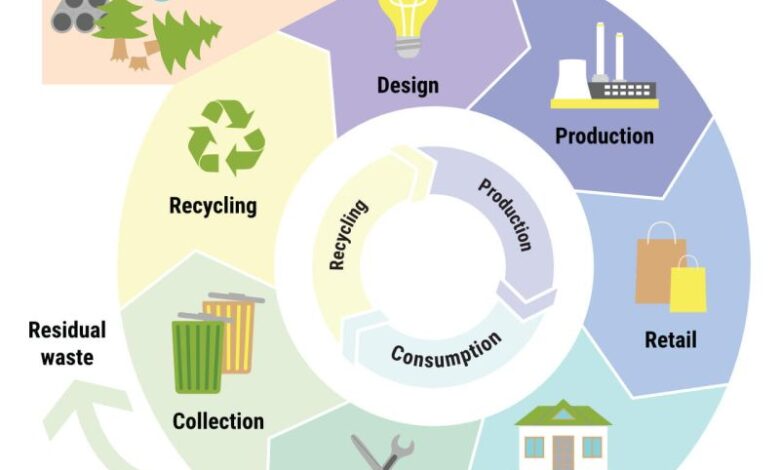
This cyclical flow, from the careful selection of raw materials, through thoughtful design, efficient production, responsible retail, and conscious consumption, ultimately leads to effective reuse and recycling. By meticulously closing the loop, we achieve profound benefits: significantly reducing waste, minimizing pollution, and constructing inherently resilient systems that are less vulnerable to supply chain disruptions and resource scarcity.
Imagine a world where:
- What was once considered “waste” is seamlessly transformed into a valuable resource, fueling new cycles of production.
- Products are no longer designed for obsolescence but are built to last, embodying durability and timeless utility.
- Repair is the norm, not the exception, fostering a culture of care and maintenance rather than disposable consumption.
This isn’t merely an incremental step towards environmental protection. This is circular regeneration a powerful vision that transcends traditional sustainability, actively designing for the restoration and renewal of both natural and economic capital. It’s a fundamental reimagining of our relationship with resources and a necessary blueprint for a thriving planet.
source: