
Connecting SDGS with ESG pillars
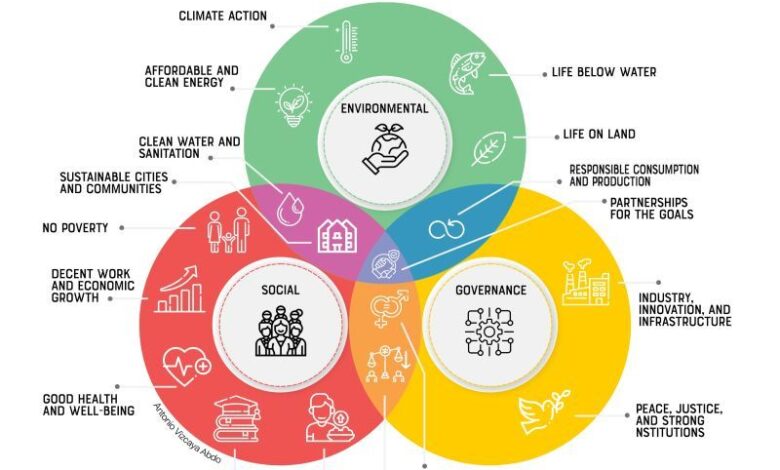
Performance with Purpose: Why Mapping ESG to the SDGs is the New Strategic Imperative
For too long, ESG and the SDGs have lived in separate worlds. ESG was the language of the boardroom focused on risk, compliance, and investor data. The SDGs were the language of global policy visionary, broad, and focused on the year 2030.
Today, that wall is falling. We are entering the era of Radical Alignment, where institutional performance is inseparable from global progress.
From Metrics to Mandates: The Direct Connection
The SDGs provide the “What” (the global destination), while ESG provides the “How” (the corporate engine). When you map these intentionally, you move from “checking boxes” to “driving change”:
- Environmental (E) → Ecological Resilience: It’s no longer just about carbon footprints. It’s about direct contributions to Climate Action (SDG 13), Clean Water (SDG 6), and Biodiversity (SDG 15). Your efficiency is the world’s stability.
- Social (S) → Human Capital & Equity: Social standards aren’t just HR policies. They are your organization’s commitment to Decent Work (SDG 8), Gender Equality (SDG 5), and Reduced Inequalities (SDG 10).
- Governance (G) → The Foundation of Trust: Strong governance is the bedrock for Peace, Justice, and Strong Institutions (SDG 16). Transparency isn’t a report; it’s a safeguard for the systems we all rely on.
The Competitive Edge: Why “Good Enough” is No Longer Enough
Investors and stakeholders have evolved. They have moved past ambition statements and “green” marketing. They are looking for traceable, data-backed outcomes.
Organizations that successfully bridge the gap between ESG metrics and SDG outcomes realize four critical advantages:
- Optimized Capital Allocation: Attract “dark green” funds and impact investors who demand SDG-linked performance.
- Future-Proofed Risk Management: Use the SDGs as a radar to identify long-term systemic risks before they hit the P&L.
- Radical Stakeholder Trust: Move beyond “storytelling” to “story-proving” with verifiable impact data.
- Operational Purpose: Aligning with global goals boosts employee morale and attracts top-tier talent who want to work for a “purpose-driven” brand.
The future does not belong to the companies that simply report their data. It belongs to the organizations that turn sustainability reporting into a roadmap for real-world progress. The gap between ambition and impact closes the moment an ESG metric is tied to a human outcome. Don’t just mention the SDGs in your presentations embed them into your DNA.
source:


