COP29 UN climate conference agrees to triple finance to developing countries, protecting lives and livelihoods
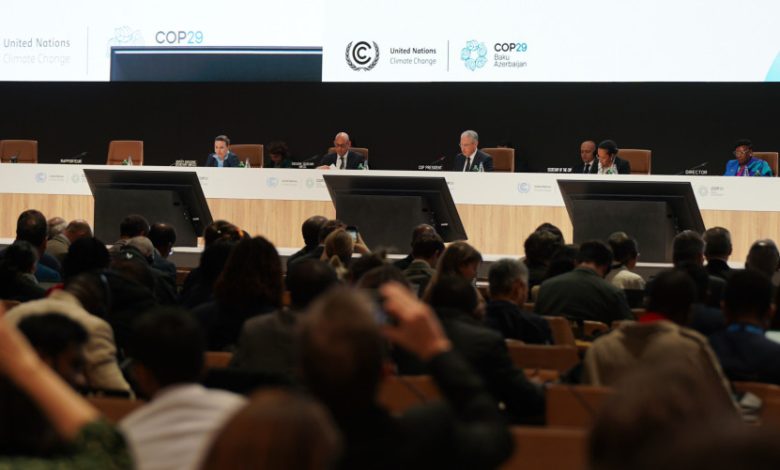
The UN Climate Conference (COP29), held in Baku, Azerbaijan, culminated in a significant achievement that marks a turning point in the global climate fight. The conference’s focus on climate finance resulted in an unprecedented agreement that promises to reshape the future for developing countries facing the devastating impacts of climate change. As nations grapple with intensifying climate disasters, this agreement brings hope that the international community is taking the necessary steps to protect vulnerable populations and ensure equitable access to the growing benefits of the clean energy revolution.
A Historic Financial Leap for Climate Action
COP29 saw nearly 200 countries reach a breakthrough in climate finance, pledging to triple funding for developing nations. The commitment to raise climate finance from USD 100 billion to USD 300 billion annually by 2035 is not just a number; it is a lifeline for countries at the frontline of climate disasters. This surge in funding—aimed at both protecting people and boosting their economies—sets a powerful precedent for global solidarity in the face of unprecedented environmental challenges.
The new finance goal, known as the New Collective Quantified Goal on Climate Finance (NCQG), is a triumph of diplomacy. After years of negotiations and painstaking work, this agreement is more than just a financial figure; it is an insurance policy for humanity. As Simon Stiell, Executive Secretary of UN Climate Change, aptly put it, this goal is a safeguard against worsening climate impacts, and its success depends on the collective commitment of all nations to meet the agreed-upon “premiums”—on time and in full.
With the global clean energy investment set to exceed USD 2 trillion in 2024, the COP29 decision also signals that the clean energy boom is here to stay. This deal is a call to nations everywhere to ensure that the benefits of this transformation—jobs, growth, and cleaner energy—are shared by all.
The Road to a Low-Carbon Future: Carbon Markets and Transparency
In addition to financial promises, COP29 reached agreements that could accelerate the global shift to a low-carbon future. One of the standout achievements was the agreement on carbon markets, which had long eluded consensus in previous COPs. This breakthrough will allow countries to trade carbon credits and implement carbon crediting mechanisms efficiently. The new framework under the Paris Agreement’s Article 6 is a significant step forward in harnessing the power of market-based solutions to curb emissions.
For the first time, countries have agreed to transparent carbon markets with rigorous checks to maintain environmental integrity. This includes safeguards that ensure projects are both environmentally sound and respect human rights, particularly the rights of Indigenous Peoples. The establishment of the UN carbon market under the Paris Agreement Crediting Mechanism (Article 6.4) is poised to provide developing countries with much-needed resources to mitigate climate change while preserving their ecosystems.
Transparency also took center stage at COP29, with countries making significant progress in their climate reporting. The first Biennial Transparency Reports (BTRs) have set a new standard for accountability, with 13 countries leading the way. As nations work toward their next round of Nationally Determined Contributions (NDCs), these reports will be crucial in strengthening climate policies and identifying financing needs.
Adaptation: A Call to Action for the World’s Most Vulnerable
While mitigation strategies like reducing emissions are vital, COP29 also underscored the urgent need for climate adaptation. Developing countries, especially the least developed nations (LDCs), have long been at the mercy of climate disasters. COP29’s agreement to establish a support program for implementing National Adaptation Plans (NAPs) is a lifeline for these nations. This decision comes as a direct response to the growing urgency for these countries to prepare for the impacts of climate change, and it includes vital financial and technical support to turn adaptation plans into tangible, life-saving action.
A high-level dialogue focused on the urgency of accelerating adaptation actions and securing innovative financing solutions to meet the 2025 NAP submission deadline. This dialogue saw ministers from small island developing states and LDCs join forces with financial experts and international donors to discuss how to best prepare for the worsening climate crises.
Empowering Indigenous Peoples and Gender Equality in Climate Action
COP29 also marked a milestone in the inclusion of marginalized voices. The conference saw a renewed commitment to elevating the leadership of Indigenous Peoples and local communities in climate action. Through the adoption of the Baku Workplan and the continued mandate of the Facilitative Working Group (FWG), Indigenous communities now have a stronger voice in shaping climate policies. This recognition of Indigenous leadership is essential for addressing the climate crisis, as these communities have long been on the front lines of environmental conservation and climate resilience.
Similarly, gender equality was front and center at COP29, with nations extending the Lima Work Programme on Gender and Climate Change for another decade. This extension reaffirms the importance of gender mainstreaming in climate action and ensures that women’s voices are integral to shaping climate policies that affect them. A new gender action plan, to be developed for adoption at COP30, promises to bring concrete changes to the way gender is incorporated into climate strategies.
Youth and Civil Society: The Heartbeat of Climate Action
COP29 was not just about the decisions made by world leaders. It was a gathering of voices from all corners of society—youth, civil society, businesses, and communities—united by a shared commitment to tackling the climate crisis. With over 55,000 participants, the conference highlighted the crucial role of non-governmental stakeholders in driving progress. In particular, the Youth-led Climate Forum gave children and young people a platform to engage directly with decision-makers. For the first time, children as young as 10 took on roles as moderators and speakers, demonstrating that climate action is not only for today’s generation but for those of tomorrow.
The Global Climate Action space provided an avenue for governments, businesses, and civil society to showcase their climate solutions, emphasizing that climate action is happening at all levels. The High-Level Champions launched their Yearbook of Global Climate Action, highlighting the crucial role of non-Party stakeholders in advancing the Paris Agreement’s goals.
Looking Ahead: A Long Road to 1.5°C
COP29 made remarkable strides, but the road ahead remains long. The agreement on climate finance, carbon markets, and adaptation provides a strong foundation for future progress, but as Simon Stiell noted, much work remains. With national climate plans due in 2025, COP29 has set the stage for the next phase of global climate action. As nations prepare to finalize their NDCs and continue negotiating critical issues, the world’s attention will turn to the next COP and the vital decisions that will shape the future of the planet.
The agreement reached in Baku is not just a milestone—it is a call to action. It is a reminder that every nation, every community, and every individual has a role to play in the global effort to combat climate change. The challenge is immense, but the collective will to address it has never been stronger. As COP29 showed, when the world comes together, there is hope.
source :