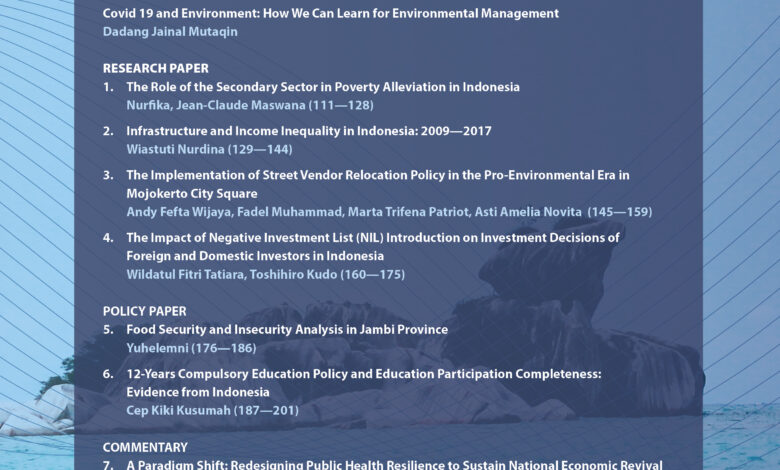
Covid 19 and environment: how we can learn for environmental management
1. The Great Reset: Identifying the Human Footprint
For decades, scientists debated the exact impact of industrial “background noise” on the planet. COVID-19 provided the answer by silencing it almost overnight.
- Air Quality and the Nitrogen Paradox: In cities like Delhi and Milan, NO2 levels dropped by up to 60% during lockdowns. This proved that urban pollution isn’t just a slow-moving atmospheric issue; it is a direct, immediate byproduct of daily combustion.
- The Sound of Silence: Marine biologists noted a significant drop in low-frequency ambient noise in the oceans, reducing stress on migratory whales.
The Lesson: Environmental recovery is more resilient than we thought, but it is entirely dependent on the rate of human extraction and emission.
2. The Waste Paradox: Solving One Problem, Creating Another
While the air cleared, our terrestrial environment suffered. The pandemic triggered a “plastic pivot” that challenged existing waste management frameworks.
- Medical and Domestic Overload: The surge in Single-Use Plastics (SUPs) from PPE to takeout containers overwhelmed municipal recycling systems.
- Biodiversity Risks: Improper disposal of masks and gloves created new entanglement risks for urban wildlife and increased microplastic degradation in waterways.
Management Insight: Future environmental policy must include Circular Economy principles that can scale during crises. We cannot trade atmospheric health for plastic pollution.
3. Teleworking as a Permanent Green Infrastructure
One of the most profound lessons for environmental management was the validation of the “Digital Office.”
- Decarbonizing the Commute: The pandemic proved that a significant portion of the global workforce does not need to move physically to be productive.
- Urban Reimagining: With fewer people commuting, cities can pivot away from car-centric infrastructure and toward “15-minute cities,” where green spaces replace parking lots.
The Strategy: Environmental managers should lobby for “Green Work Policies,” treating high-speed internet and remote-work tax incentives as legitimate carbon-reduction tools.
4. The “Rebound Effect” and the Need for Policy Guardrails
The most sobering lesson of COVID-19 is that temporary behavioral change is not a substitute for systemic structural change. As economies reopened, carbon emissions in many sectors didn’t just return to normal; they spiked to compensate for lost time.
Comparative Recovery Paths
| Sector | Lockdown Impact | Post-Lockdown Trend | Management Priority |
| Aviation | -70% Emissions | Rapid Recovery | Sustainable Aviation Fuel (SAF) |
| Manufacturing | Sharp Decline | Overshoot | Decarbonized Power Grids |
| Energy | -6% Global Demand | Record Highs | Storage & Renewables |
5. Conclusion: From Crisis to Stewardship
COVID-19 taught us that the planet can heal if given a reprieve, but it also showed that the “human cost” of forced lockdowns is not a sustainable way to achieve green goals.
The Mandate for Environmental Managers:
We must move from Emergency Management (reacting to disasters) to Predictive Stewardship. This involves:
- Integrating health and environmental data to predict zoonotic spillovers.
- Investing in green stimulus rather than subsidizing fossil fuel recovery.
- Standardizing global waste protocols for biohazardous materials.
The pandemic was a mirror. It showed us exactly how we are breaking the world and provided a brief, clear glimpse of how we might begin to fix it.
sumber:
https://journal.pusbindiklatren.bappenas.go.id/lib/jisdep/article/view/172