Digital Cities
The question of how we perceive and interact with cities has undergone a seismic shift in the digital age. Once described as “machines for living,” cities are increasingly being conceptualized as dynamic, adaptive systems, influenced by technological innovations like the iPhone. In this issue of Architectural Design (AD), Benjamin Bratton, a theorist and design strategist, suggests that the iPhone—and similar devices—has profoundly reshaped our relationship with urban spaces. These handheld technologies, with their tactile interfaces and app-driven datascapes, are not just tools but active participants in the urban experience.
Bratton posits that the iPhone may even be usurping the role of the physical city by consolidating functions traditionally associated with urban environments, such as connecting people, goods, markets, and information. This shift signals a broader transformation in how we engage with the built environment, driven by omnipresent computer technologies that blur the boundaries between the digital and the physical realms.
Digital Design Tools and Urban Aesthetics
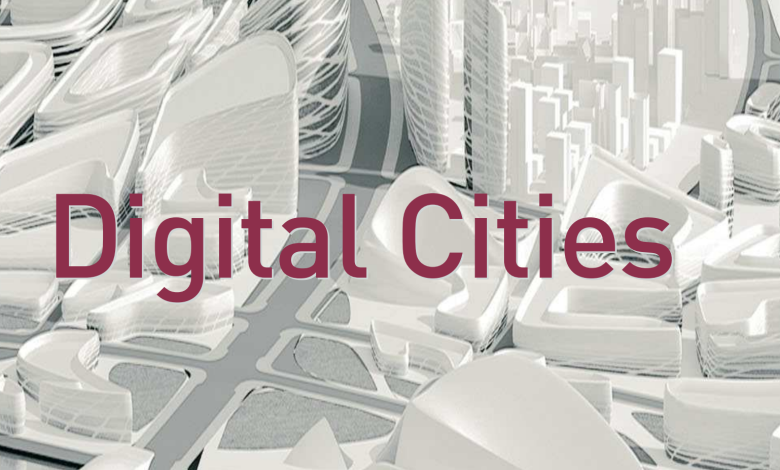
While the iPhone exemplifies the integration of technology in urban life, this issue of AD, guest-edited by Neil Leach, delves deeper into the implications of digital design tools on urban design. Over the past decade, these tools have revolutionized architectural production, and now they are poised to transform urban design. The formal aesthetics of parametric design—a process that uses algorithms to generate complex forms—feature prominently throughout the issue, from the masterplans of Zaha Hadid Architects to the avant-garde work of the Design Research Laboratory (DRL) at the Architectural Association.
Patrik Schumacher, a leading proponent of parametricism, views this approach as the stylistic successor to Modernism, championing its potential to create fluid, responsive urban forms. However, digital tools are not just about form-making; they also enable advanced urban analysis. For example, Professor Michael Batty explores how cities can be “grown” in digital laboratories, simulating organic development to inform more adaptive and sustainable urban planning.
From Control to Collective Intelligence
The modernist notion of the city as an entity to be ordered and controlled has given way to a more organic perspective. Cities are now seen as possessing collective intelligence and emergent patterns, as highlighted in Neil Leach’s exploration of “swarm intelligence.” This concept draws inspiration from natural systems, where decentralized entities work together to create complex behaviors.
At its most radical, this perspective manifests in François Roche’s vision of a “habitable organism”—a biostructure that evolves its own adaptive behavior while responding to human occupation. Such speculative designs challenge traditional notions of urbanism, suggesting that cities could one day function as living, breathing systems.
The Endless Fascination of the Urban
This issue of AD underscores the city’s enduring allure for architects and urban designers. From advanced parametric aesthetics to digital urban analysis, the urban landscape provides a rich canvas for exploration. As digital tools continue to redefine urban design, the city emerges not just as a physical construct but as a complex, adaptive ecosystem—a source of endless fascination and limitless potential for architectural innovation.
The shift from viewing cities as machines for living to seeing them as dynamic, intelligent systems marks a profound evolution in urban thinking. As technology continues to reshape our understanding of the urban realm, architects and designers are challenged to reimagine cities that are not only functional but also deeply integrated with the digital ecosystems that define contemporary life.
https://dml.or.id/wp-content/uploads/2024/11/1732232279479.pdf