Emission factor
In the battle against climate change, data is our most powerful ally and among the most important tools we have are emission factors. But what exactly are they, and how do they empower us to take bold, effective climate action? Let’s dive in!
What Are Emission Factors?
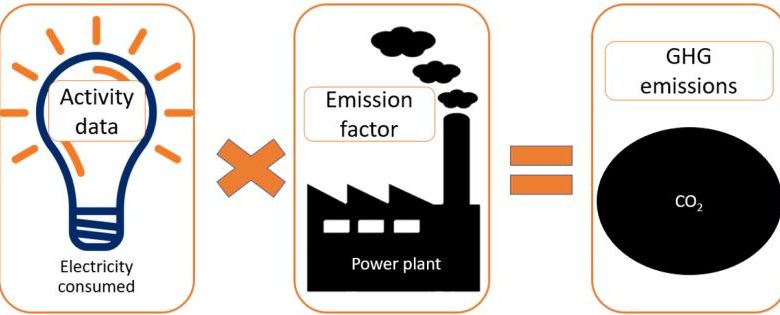
At their core, emission factors are the translators of sustainability. These coefficients link the everyday activities we engage in driving a car, manufacturing goods, or powering homes with the greenhouse gas (GHG) emissions they generate. Think of them as a bridge between what we do and how it impacts the planet.
For instance:
- Burning 1 liter of diesel emits approximately 2.68 kg of CO₂.
- Producing 1 kWh of electricity could result in 0.233 kg of CO₂e, depending on the energy sources used in the power grid.
By using emission factors, individuals, organizations, and governments can measure their carbon footprint, identifying the hidden costs of everyday actions and making informed choices to reduce their impact.
Why Do Emission Factors Matter?
Imagine trying to cut back on your personal spending without knowing how much you’re spending on coffee, dining out, or subscriptions. It’s impossible to make changes if you can’t measure where your resources are going—and the same applies to emissions.
Emission factors offer clarity in complexity:
– They help businesses, cities, and countries quantify emissions for transparency and accountability.
– They guide industries in setting science-based targets and aligning with global standards like the GHG Protocol, ISO 14064, and frameworks like India’s BRSR.
– They empower individuals to understand the carbon cost of their choices, driving informed decisions for a more sustainable lifestyle.
In essence, they transform abstract climate goals into measurable, actionable steps, fueling the journey to net zero.
Where Do These Numbers Come From?
Behind every emission factor lies rigorous scientific research and modeling. Credible sources compile these figures, offering insights tailored to regions, industries, and processes. Here are some go-to resources:
- IPCC Guidelines – The gold standard for global emissions accounting.
- DEFRA – UK-specific factors for organizations striving to meet sustainability goals.
- EPA eGRID – A breakdown of electricity-related emissions in the US.
- GHG Protocol Tools – Industry-focused calculators and resources.
- National Databases – Localized insights, such as India’s CEA database for grid emissions.
These databases equip us with the numbers we need to tackle emissions on every front, from manufacturing floors to government policy tables.
From Data to Action: The Power of Emission Factors
Emission factors are more than just numbers they’re catalysts for change. By revealing the hidden costs of carbon-intensive activities, they challenge us to rethink the way we live, work, and grow.
- For businesses, emission factors provide the foundation for sustainable supply chains, energy efficiency projects, and impactful carbon offsetting programs.
- For policymakers, they shape regulations, incentives, and national commitments to global agreements like the Paris Accord.
- For individuals, they uncover opportunities to lower our carbon footprint choosing greener transportation, energy efficient appliances, or even the source of the electricity powering our homes.
When we harness emission factors, we move beyond awareness to action, unlocking pathways to decarbonization and aligning with sustainability goals.
Your Call to Action: Transform Insights into Impact
As we strive for a world that limits warming to 1.5°C, every choice counts. By leveraging emission factors, we turn climate ambition into measurable progress creating greener cities, cleaner industries, and healthier communities.
source :