Tahukah Anda
ESG
The Mapping: From Global Goals to Corporate Metrics
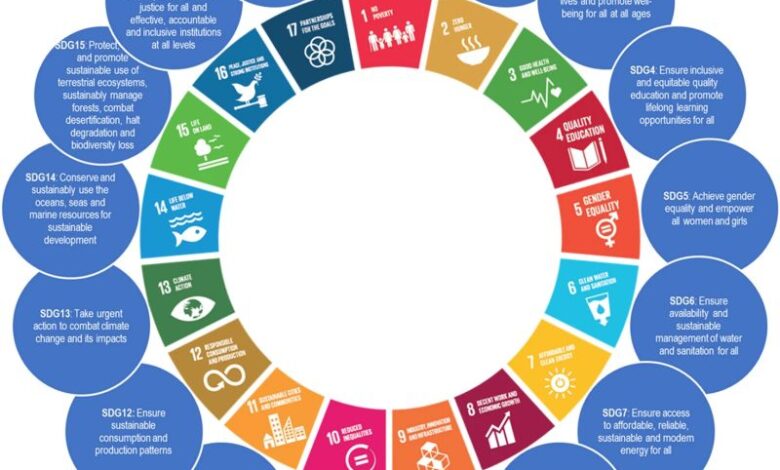
To make this alignment operational, many organizations use a mapping system to show how specific ESG activities contribute to the broader UN targets.
| ESG Pillar | Core SDGs Addressed | Practical Corporate Action |
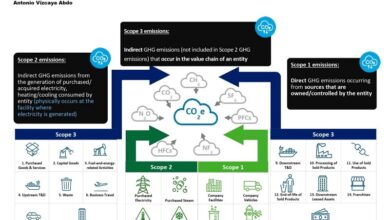
| Environmental | 7 (Clean Energy), 12 (Consumption), 13 (Climate Action), 14/15 (Life Below Water/Land) | Transitioning to renewables, reducing Scope 1-3 emissions, and implementing circular economy models. |
| Social | 3 (Health), 4 (Education), 5 (Gender Equality), 8 (Decent Work), 10 (Reduced Inequalities) | Ensuring living wages, improving supply chain human rights, and closing the gender pay gap. |
| Governance | 16 (Peace & Justice), 17 (Partnerships for the Goals) | Enhancing board diversity, implementing anti-corruption policies, and linking executive pay to sustainability targets. |
The Evolution Toward “Double Materiality”
Your point about “system-level impact” aligns perfectly with the concept of Double Materiality, which is becoming the gold standard in reporting:
- Outside-In (Financial Materiality): How sustainability issues (like climate change or labor strikes) create financial risks for the company.
- Inside-Out (Impact Materiality): How the company’s operations actually impact the world—this is where the SDGs live.
When a company aligns with the SDGs, they aren’t just protecting their own bottom line; they are ensuring the viability of the very markets they operate in.
Why This Framing Wins
- Shared Language: It moves beyond technical financial jargon into a universal vision that employees and customers actually care about.
- Long-Termism: It forces leadership to look at a 2030 horizon rather than just the next quarterly report.
- Capital Allocation: Investors are increasingly using “Impact Investing” frameworks that explicitly track contributions to the SDGs.