
Financing sustainable
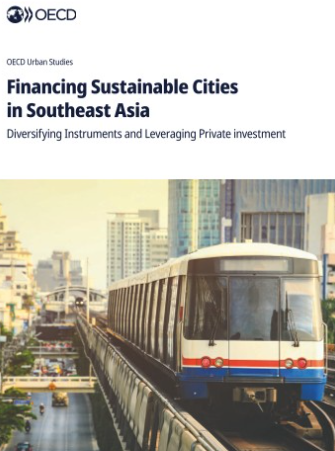
Fuelling the Future City: Unlocking Sustainable Urban Development in Southeast Asia
Cities across the globe are swelling, and Southeast Asia is on the front lines. With an astonishing 90 million people expected to flock to ASEAN cities by 2030, the strain on urban infrastructure is reaching a breaking point. What’s more, traditional financing models simply aren’t cutting it, especially as climate risks intensify and infrastructure needs skyrocket.
A groundbreaking new report dives deep into how sustainable urban development is actually being funded in five of Southeast Asia’s fastest-growing economies: Indonesia, Malaysia, the Philippines, Thailand, and Viet Nam. By scrutinizing 129 real-world case studies and conducting extensive institutional reviews, the report uncovers significant systemic gaps and, crucially, points towards the solutions emerging from within the region itself.
The Roadblocks and the Blueprint for Change
The findings are stark, yet they offer a clear roadmap for action:
- Public Finance: Strained and Constrained. While government funding remains the bedrock, local authorities often find their hands tied. They suffer from limited fiscal power and an over-reliance on national hand-outs. Take Malaysia and the Philippines, for example, where local spending barely hits 12% of total public expenditure a far cry from the OECD average. True progress demands that local governments gain more control over their own revenue, borrowing capabilities, and better tools for managing foreign exchange risks.
- Domestic Capital: A Missed Opportunity. Southeast Asia’s own capital markets are largely dormant when it comes to urban development. Most projects still lean on foreign currency financing, leaving local capital on the sidelines. Less than a quarter of projects involve domestic financial institutions. We desperately need to mobilize local money to fuel growth and shield projects from the wild swings of currency markets.
- Financing Tools: Stuck in the Past. The toolbox for urban development finance is woefully outdated. Public loans dominate the scene, while innovative instruments like infrastructure funds, Real Estate Investment Trusts (REITs), and green bonds are barely used. Out of 129 projects, only six dared to use bonds, and none leveraged REITs. It’s time for a massive leap forward: broader adoption of blended finance, green finance, and smart risk-sharing mechanisms is absolutely essential.
- Planning and Legal Frameworks: A Web of Complexity. While National Urban Policies (NUPs) are starting to emerge, fragmented governance, confusing permitting processes, and a glaring lack of climate considerations in urban planning continue to scare off private investors. We need clearer rules, more streamlined regulations, and better coordination across all levels of government to create an environment where private capital feels welcome.
- Public-Private Alignment: Pulling in Different Directions. Currently, public and private investments in urban areas are often out of sync in terms of where they’re going and what they’re trying to achieve. To spark genuine synergy and unlock more impactful, climate-resilient projects, we need smarter incentives. Think easier access to land, targeted tax breaks, and community infrastructure levies that benefit everyone.
The report delivers an undeniable truth: we can’t build resilient cities on old-fashioned funding models. Southeast Asia’s booming urban centers urgently need a more diverse, climate-savvy, and investment-friendly approach across their entire urban ecosystem. This isn’t just about building structures; it’s about building the sustainable, thriving cities that millions will call home in the decades to come.


