
Global state of national urban policy 2024
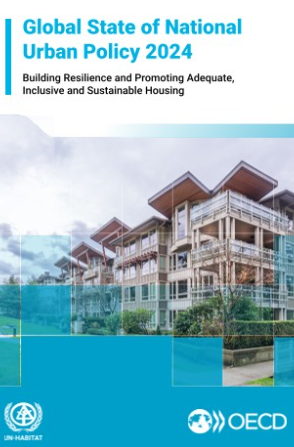
In a world where half the population lives in cities and urban areas drive 80% of global GDP, the way we plan and govern our cities today will determine our collective future. And according to the 2024 Global State of National Urban Policy Report by UN-Habitat Urban Lab and the OECD Development Centre, that future is beginning to take shape one National Urban Policy (NUP) at a time.
A Clearer Vision, A Stronger Commitment
Back in 2018, only just over half of the world’s countries had explicit national policies guiding their urban futures. Today, 72% do. That’s more than just progress it’s a global signal that urban planning is stepping out of the shadows and into the spotlight.
From the dynamic cities of Latin America to the rapidly evolving urban landscapes of the Arab States, governments are realizing that managing urban growth isn’t just about keeping up it’s about getting ahead.
What Are These Policies Prioritizing?
Cities are now expected to solve some of humanity’s greatest challenges. And NUPs are rising to the occasion by focusing on themes that matter:
- Polycentric Urbanization (58%) – Moving beyond mega-cities to create balanced, networked urban systems where growth is more equitable.
- Inclusive Growth (59%) – Putting an end to the urban divide by ensuring access to jobs, housing, and essential services.
- Climate Resilience (51%) – Recognizing cities as both victims and solutions in the climate crisis, and building that awareness into planning.
But two priorities stand out as newer and urgent additions to the NUP landscape:
- Affordable Housing – Because dignified shelter is foundational.
- Urban Resilience – Because pandemics and climate disasters won’t wait.
Gaps in the Governance Puzzle
While three-quarters of countries use NUPs to promote coordination between levels of government, there’s still a missing link: only 1 in 4 incentivizes collaboration across metropolitan regions. In a world of expanding urban peripheries, this oversight could be costly.
Financing the Future
Despite the ambitious goals, traditional funding still dominates. Grants from national budgets are important but tools like land value capture, which can sustainably finance urban growth, are vastly underutilized (used in only 15% of cases). Cities can’t build the future on yesterday’s financing.
Why This Matters More Than Ever
With Sustainable Development Goal 11 Sustainable Cities and Communities falling behind, the urgency is real. Cities still face overwhelming challenges in areas like slum upgrading, disaster preparedness, and green public spaces.
But National Urban Policies offer a powerful lever. They’re not just bureaucratic exercises they’re the blueprints for how cities will grow, include, adapt, and thrive.
So the question isn’t just whether your country has a National Urban Policy.
It’s whether that policy is bold enough, inclusive enough, and forward-thinking enough to meet the moment.
source:


