How to effectively communicate on climate change | inspiring action, spreading truth, and building hope
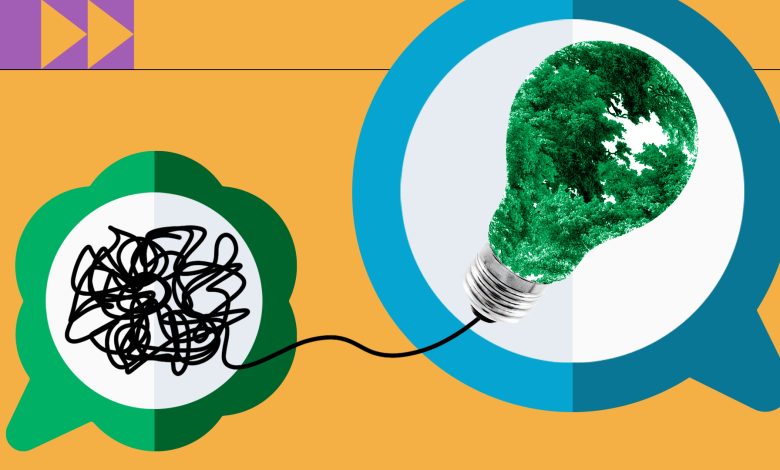
Communicating about climate change is about more than just sharing facts—it’s about inspiring a movement. It’s about breaking through the noise of misinformation, connecting with hearts and minds, and driving people to take meaningful action to combat the climate crisis. Each of us has a unique voice, and together, we can amplify a global call for change. Whether you’re creating videos, podcasts, articles, or graphics, here are essential principles to guide your storytelling and advocacy.
1. Anchor Your Message in Science and Trust
Why It Matters
Misinformation is one of the most significant barriers to addressing climate change effectively. Misleading narratives distort science, create confusion, and lead to inaction or, worse, harmful responses. According to the Intergovernmental Panel on Climate Change (IPCC), misinformation has undermined public understanding of the crisis and eroded the urgency needed for action.
How to Do It
- Rely on authoritative sources. Use data from trusted organizations like the IPCC, peer-reviewed journals, and credible research institutions. Scientific consensus is your strongest ally.
- Stop the spread of misinformation. Pause before sharing content. Investigate its source, intent, and potential biases. If you spot misinformation, counter it with truth using the “Fact, Myth, Fallacy” model.
- Call out greenwashing. Be cautious of brands claiming sustainability without meaningful actions to back it up. Advocate for companies that genuinely deliver on their climate promises.
- Choose messengers wisely. Scientists, weather presenters, doctors, and local advocates can simplify complex ideas and make your content relatable. Don’t underestimate the power of storytelling by individuals who experience and care about climate impacts firsthand.
2. Balance the Problem with Solutions
Why It Matters
Climate change is an overwhelming topic. Without hope, people can disengage, feeling powerless to make a difference. While it’s crucial to explain the gravity of the crisis, pairing this with practical solutions motivates action and fosters a sense of agency.
How to Do It
- Tell stories that connect. Numbers alone won’t inspire change—stories will. Highlight relatable experiences or local issues your audience cares about, such as air quality, green jobs, or renewable energy successes.
- Offer empowerment. Show that change is possible through individual and collective action. Small, everyday choices—from reducing consumption to advocating for policy change—can ripple into larger systemic transformations.
- Frame it as a justice issue. Emphasize how climate change disproportionately affects marginalized communities that have contributed least to the problem. Addressing climate change isn’t just about survival; it’s about equity, fairness, and creating opportunities for all.
- Avoid victim stereotypes. Highlight the resilience, innovation, and leadership of underserved communities, Indigenous peoples, and women, who are not just victims but agents of meaningful change.
3. Mobilize for Action and Urgency
Why It Matters
Achieving net-zero emissions by 2050 and halving emissions by 2030 requires rapid, systemic change. It’s not just about raising awareness—it’s about transforming awareness into tangible action.
How to Do It
- Make it about the now. The climate crisis is not a problem for the future—it’s already here. Convey urgency while making the immediate benefits of climate action clear.
- Highlight opportunities. Climate action isn’t just about sacrifices; it’s about solutions that improve lives. Cleaner air, green jobs, better health, and resilient cities are some of the many benefits of a sustainable world.
- Speak the audience’s language. Avoid jargon. Instead of abstract goals like “limiting global warming to 1.5°C,” frame the message around values like protecting family, ensuring stability, and safeguarding the environment for future generations.
- Feature youth voices. Young people have become the heart of the climate movement, leading protests, demanding accountability, and inspiring millions. But climate change isn’t just their future—it’s a present challenge that demands action from all generations.
Your Voice Matters More Than Ever
Communicating on climate change is not just an act of education—it’s an act of hope and defiance against apathy. Every story, every post, every conversation has the potential to shift perspectives, inspire action, and create momentum for change.
The climate crisis is daunting, but it is not insurmountable. Together, we have the tools, the knowledge, and the passion to build a better, more just, and sustainable world. As you raise your voice, remember: you’re not just sharing content. You’re building a movement.
source :