
If Women Designed Cities
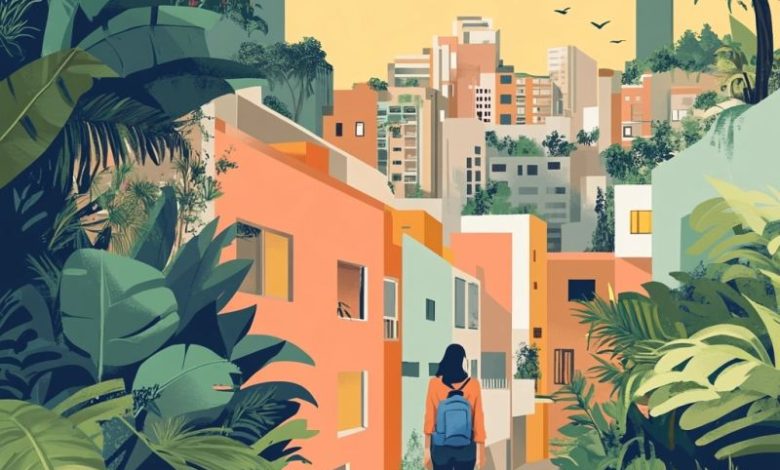
Most cities today aren’t “neutral” – they were designed by men, for men – prioritizing cars, industrial growth, and efficiency. But what if women were in charge of urban planning?
Recent studies and books* show that the result would be safer, more walkable, and community-focused cities built for everyone.
Did you know that women are 50% more likely to rely on public transportation, yet most transit systems weren’t built with them in mind?
We’d likely see safer, greener, and more inclusive spaces – designed to support everyday life, not just the daily commute.
Here’s how things might change with a woman-led urban design approach:
✨ 1. Safer Public Spaces & Walkability
– Well-lit streets, parks, and transit stops to reduce safety concerns.
– More mixed-use, safer developments to ensure there are always “eyes on the street.”
– Pedestrian-friendly design with wider sidewalks and safer crosswalks.
🚉 2. Better Public Transport & Accessibility
– More reliable, affordable, and flexible transit options.
– Safer bus and train stations with better lighting and emergency features.
– More public toilets – because access to toilets shouldn’t be a luxury.
👩👧 3. Family-Friendly & Inclusive Spaces
– More childcare facilities near workplaces and transit hubs.
– Dedicated breastfeeding rooms and baby-changing stations in public areas.
– Safer, better-maintained parks and playgrounds for families.
🏡 4. Affordable & Thoughtful Housing
– More secure, community-oriented housing for women, single parents, and vulnerable populations.
– Designs that prioritize safety – secure entrances, better lighting, and communal living spaces.
🌍 5. Sustainable & Green Infrastructure
– Less car dependency, with better cycling and walking infrastructure.
– More green spaces, urban gardens, and climate-conscious planning.
– Support for eco-friendly policies – because cities should work with the environment, not against it.
💡 6. More Women in Urban Planning
– Representation matters: More female-led city planning teams would bring diverse perspectives to the table.
– Policies that support work-life balance, like flexible workspaces and community-led initiatives.
🚀 A city designed by women isn’t just for women – it’s for everyone.
A city built with safety, accessibility, and sustainability in mind benefits men, children, the elderly, and marginalized communities too.
Imagine a world where cities truly prioritize people over cars, where public spaces feel welcoming instead of intimidating, and where daily life is made easier – not harder.
Sources:
– “What if Women Designed the City”, Dr May East
– “Invisible Women: Exposing Data Bias in a World Designed for Men”, Caroline Criado Perez
Source:


