Tahukah Anda
Key differences between Carbon Credit and Plastic Eco Credit

Carbon credits and plastic eco credits are both market-based instruments aimed at mitigating environmental impacts, but they address different issues and operate in distinct ways. Here’s a comparison of the two:
1. Purpose
- Carbon Credit:
- Goal: Reduce greenhouse gas (GHG) emissions to combat climate change.
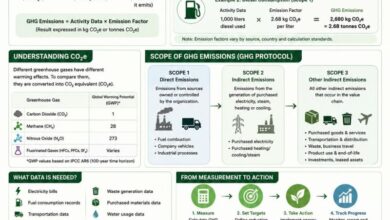
- Function: Represents one metric ton of CO₂ or its equivalent gases (CO₂e) either removed from the atmosphere or prevented from being emitted. Companies or governments can purchase these credits to offset their emissions.
- Plastic Eco Credit:
- Goal: Reduce plastic pollution, particularly in oceans and landfills.
- Function: Represents a certain amount of plastic waste that has been collected, recycled, or otherwise managed responsibly to prevent environmental harm. Companies can purchase these credits to offset their plastic footprint.
2. Scope of Impact
- Carbon Credit:
- Global Impact: Aimed at reducing global GHG emissions and limiting global temperature rise. Projects can include renewable energy, reforestation, or energy efficiency initiatives.
- Plastic Eco Credit:
- Local/Regional Impact: Focused on reducing plastic pollution at the local or regional level, especially in areas most affected by plastic waste. Projects often involve recycling programs, waste management, and plastic collection initiatives.
3. Market and Regulation
- Carbon Credit:
- Well-Established Market: Operates within both compliance markets (e.g., EU Emissions Trading Scheme) and voluntary markets. There are established standards like the Verified Carbon Standard (VCS) and Gold Standard.
- Plastic Eco Credit:
- Emerging Market: Less established than carbon credits, with evolving standards and certification processes. The concept is gaining traction as companies and governments seek solutions to plastic pollution.
4. Measurement and Verification
- Carbon Credit:
- Measurement: Emission reductions are measured in metric tons of CO₂e. Rigorous verification processes are required to ensure the validity of the credits.
- Plastic Eco Credit:
- Measurement: Typically measured by weight (e.g., kilograms or tons of plastic managed). Verification focuses on ensuring that the plastic was indeed collected, recycled, or otherwise properly managed.
5. Use by Companies
- Carbon Credit:
- Offsetting Emissions: Companies purchase carbon credits to compensate for their GHG emissions, often as part of corporate sustainability or net-zero goals.
- Plastic Eco Credit:
- Offsetting Plastic Footprint: Companies use plastic eco credits to balance out the plastic they produce or use, aiming to achieve a “plastic-neutral” status.
6. Public Perception and Criticism
- Carbon Credit:
- Debate on Effectiveness: While widely used, carbon credits are sometimes criticized for allowing companies to continue emitting without reducing their own carbon footprint.
- Plastic Eco Credit:
- Criticism of Greenwashing: There is concern that plastic eco credits could be used by companies to claim sustainability without reducing their actual plastic usage.
7. Examples of Use
- Carbon Credit:
- Example: A company offsets its emissions by purchasing carbon credits from a forest conservation project that prevents deforestation, thus sequestering CO₂.
- Plastic Eco Credit:
- Example: A consumer goods company purchases plastic credits from a recycling initiative in Southeast Asia to offset the plastic packaging it uses in its products.
In summary, while both carbon and plastic eco credits aim to mitigate environmental damage, they focus on different issues (climate change vs. plastic pollution), operate in different markets, and face unique challenges.
source :