Making happiness a priority : lessons from west java
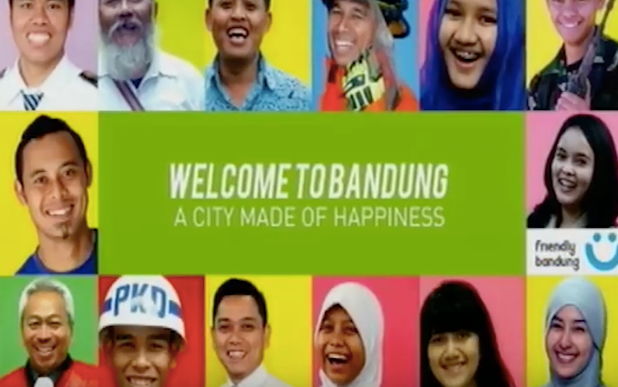
What if we could measure happiness, prioritize it in city policies, and design urban spaces to make life more joyful? In West Java, Indonesia, this ambitious vision is becoming a reality. By listening to its people and acting on their needs, West Java’s government has transformed happiness from an abstract idea into measurable progress.
At the heart of this transformation lies an innovative Happiness Index, which focuses on two core elements that directly affect quality of life:
- Family Harmony
- Social Interactions
The approach is simple yet revolutionary—put people first, prioritize social bonds, and use public spaces to nurture community spirit.
Strengthening Family Harmony in Urban Life
Urban living often pulls families apart with its relentless pace and competing demands. Yet, strong families form the backbone of happy societies. Recognizing this, city governments can:
- Introduce family-oriented public spaces such as parks, playgrounds, and weekend markets, where families can relax and connect.
- Offer programs that support work-life balance, like flexible hours for government workers and community-based childcare.
- Provide access to affordable housing and essential services, fostering stability and reducing the stress that often fractures families.
In West Java, the Pentahelix Approach emphasizes that creating harmony isn’t solely the government’s job—it’s a shared responsibility involving citizens, businesses, academia, media, and community groups.
Expanding Social Interactions in Urban Spaces
Cities often isolate people, with crowded streets that prioritize vehicles over people and high-rise buildings that lock neighbors behind closed doors. West Java flipped this narrative by transforming spaces into vibrant hubs of connection:
- Street Redesigns: Streets were reimagined as stages for life, culture, and celebration. Festivals, cultural events, and art performances turned once-ordinary streets into gathering spaces.
- Revitalized Neglected Areas: Underutilized spaces, such as those under highways, were converted into community movie parks, offering free entertainment for all. These changes blur socioeconomic divides, creating moments of shared joy for rich and poor alike.
- Public Amenities: Free Wi-Fi, street benches, and open study areas have made streets livable again. Students can work on assignments, and citizens can sit and chat, fostering a sense of belonging.
By prioritizing social infrastructure—spaces and programs that nurture human connection—West Java discovered a powerful truth: happiness grows when people have opportunities to meet, share, and bond.
Building Trust Through Technology
A city thrives on the trust between its government and citizens, and West Java has built that trust through seamless communication:
- Mobile applications allow citizens to voice concerns, provide feedback, and evaluate government performance.
- The Jabar Quick Response Initiative resolves issues within 24 hours, proving that the government listens and acts promptly.
By making communication accessible and transparent, technology strengthens the social contract between the city and its people, empowering citizens to actively participate in shaping their communities.
People-Centered Design: Redefining Urban Happiness
Five years ago, the streets of West Java were for traffic, not people. Malls were the primary social spaces. But inspired by Jane Jacobs’ mantra that “streets are the largest public spaces,” West Java made bold changes. Streets became places where citizens linger, interact, and celebrate life.
This people-centered design approach increased happiness by an astonishing 27%. Today, 87% of West Java’s population report being happy—a testament to the transformative power of inclusive urban policies.
A Call to Action for National Governments
West Java’s journey isn’t just a local story; it’s a roadmap for urban happiness worldwide. National governments must create platforms for collaboration with local authorities, ensuring policies like the New Urban Agenda reflect the realities of those who live in cities.
By prioritizing happiness, engaging stakeholders, and redesigning urban spaces with people in mind, cities can transform not just their infrastructure, but the lives of their citizens.
It’s time to rethink urban development. In West Java, happiness isn’t a dream—it’s a policy. And it works.
source :