On street parking pricing guide
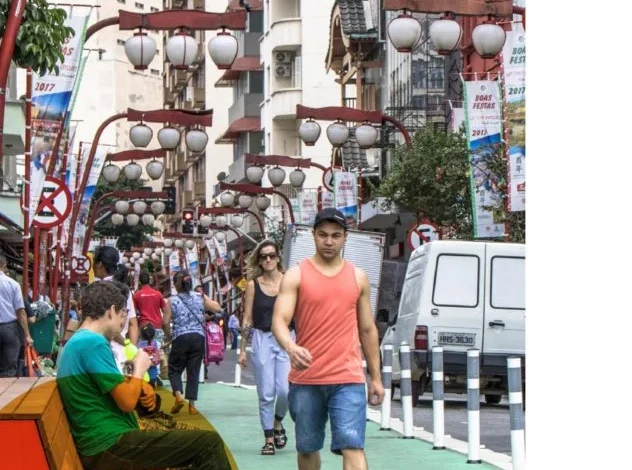
The last few decades have seen cities around the world swept up in a wave of rapid motorization. As cars multiplied, so too did a cascade of urban challenges choking air pollution, constant noise, rising traffic injuries, and widening inequality. But while much attention has been paid to the roads these vehicles travel, one quieter crisis continues to take up disproportionate space literally: parking.
Whether it’s the car left idling at the curb for a coffee run or the vehicle tucked away for hours in an off-street lot, every car needs a place to rest. And with the global vehicle fleet expanding, cities are under mounting pressure to accommodate these static machines. But at what cost?
The Hidden Cost of Free Parking
Every square meter dedicated to storing cars is one less for parks, housing, businesses, bike lanes, or wider sidewalks. Yet, in many cities, parking especially on-street parking is treated as a right, not a privilege. It’s often free or underpriced, encouraging people to drive even when alternatives exist. The result is a paradox: cities designed for movement are increasingly immobilized by cars going nowhere.
But here’s the opportunity: rethinking how we manage and price parking isn’t just about finding space for vehicles. It’s about rebalancing our urban priorities. By recognizing that curb space is valuable public real estate, cities can make more thoughtful choices about how it’s used and who benefits.
Prioritizing People Over Parking
When cities invest in high-quality public transport, cycling infrastructure, and safe, walkable streets, everyone wins. Not just those who ride the bus or bike to work, but drivers too because fewer cars on the road mean less congestion for everyone. But these alternatives only work when they’re supported by policies that discourage excessive car use. That’s where smart parking management comes in.
By pricing parking according to demand and enforcing time limits or access restrictions, cities can nudge people toward cleaner, more space-efficient modes of travel. That shift frees up room for bus lanes, bike paths, green spaces, and outdoor dining uses that contribute to vibrant, healthy, and inclusive communities.
Equity Through Design
Parking reform isn’t just about efficiency it’s about fairness. Today, many low-income residents who don’t own cars still bear the burden of urban environments built around driving. They endure poorer air quality, riskier streets, and limited access to reliable transit. By managing parking more strategically and reinvesting revenue into sustainable mobility, cities can begin to right those inequities.
In a world where curb space is finite and cities are growing fast, we must ask hard questions about who our streets are for. When parking is prioritized without limits, the answer is cars. But when we prioritize people, we create cities that move better, breathe easier, and include more.
The good news? We already know what works. The tools demand based pricing, digital enforcement, better curb design are in our hands. What’s needed now is the courage to use them. Because smarter parking isn’t just about cars it’s about reclaiming our streets for everyone.
source: