Plastic waste worldwide
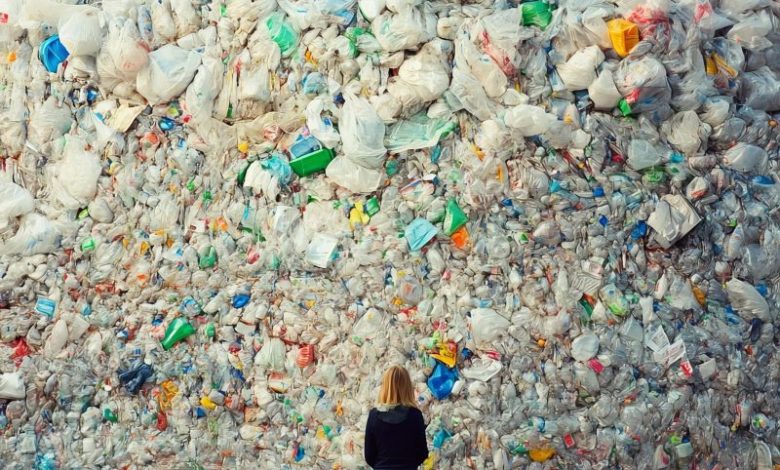
Every day, we toss away plastic, food scraps, and packaging without a second thought. But did you know that 91% of plastic waste worldwide is NEVER recycled? That’s right most of it ends up in landfills, incinerators, or worse, polluting our oceans and streets.
If we don’t act now, global municipal solid waste will skyrocket from 2.1 billion tonnes in 2020 to nearly 3.8 billion tonnes by 2050. That’s almost double the waste in just 30 years! Imagine the overflowing landfills, toxic air pollution from open burning, and plastic-filled waterways choking marine life.
This is not just an environmental crisis it’s an urban survival challenge.
The Reality: Our Cities Are Drowning in Waste
2.1 billion tonnes of municipal solid waste were generated in 2023 alone. Most of it? Dumped, burned, or buried.
Uncontrolled waste disposal, like open burning and illegal dumping, remains a massive issue especially in developing regions, where waste management infrastructure struggles to keep up.
Without urgent action, cities will face a future of waste-clogged streets, increased health risks, and worsening climate impacts.
But here’s the good news: change is possible.
Cities Can Lead the Way Shanghai is Proof!
Shanghai, one of the world’s largest cities, transformed its waste crisis into a success story. How did they do it?
✅ Waste Reduction Strategies: A citywide push led to a 20% decrease in residual waste and a 57.5% increase in recycling.
✅ Waste-to-Energy Boom: Incineration for energy now processes 75.71% more waste than in 2018, reducing landfill dependency.
✅ Zero Landfill Goals Achieved: Key districts have already eliminated landfill use, proving that zero waste cities are within reach.
Shanghai didn’t wait for a perfect solution they implemented ambitious policies, involved communities, and embraced innovation. Your city can do the same!
What Can Your City Do?
Implement strong waste sorting policies to ensure recyclables don’t end up in landfills.
Invest in circular economy solutions—from composting to extended producer responsibility (EPR).
Engage citizens public awareness and incentives can drive real behavior change.
Leverage technology AI-powered sorting systems, smart bins, and waste-to-energy plants can transform urban waste management.