
Progress on water-related ecosystems
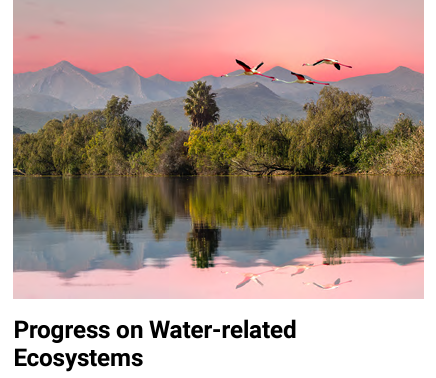
At the time of launching this report, little over 5 years remains before the world reaches the historic target timeline set by UN Member States to achieve the ambitions of the 2030 framework for sustainable development. SDG Target 6.6, which seeks to protect and restore water-related ecosystems, is a target that is fundamental to the achievement of sustainable development both within Goal 6 and across much of the framework. Our freshwater ecosystems are among our most valuable ecosystems, being not only biodiverse-rich, essential for food and water security, transport, power generation and so much more, but also critical for our health, prosperity and survival. SDG Target 6.6 evolved from the Aichi biodiversity targets, and directly threads through the newly adopted Global Biodiversity Framework connecting with the environmental dimension of the SDG framework. The representation of freshwater ecosystems within biodiversity and development frameworks, alongside several multilateral environmental agreements, demonstrates the urgency that member states have placed on safeguarding freshwater ecosystems. With data availability rapidly increasing through the update and use of Earth Observations (EO), data on freshwater ecosystem changes are now readily observable over long time periods, allowing us to glance back into the past and compare the state of ecosystems then with their state today. Through this lens, the direction of travel is clear. The data in this report speak loudly – that our freshwater ecosystems need our attention and action. As with many environmental concerns of our present time, the time to act is now. Now is the time for countries to take decisions to invest in the long-term restoration and protection of our freshwater ecosystems. This report shines a light on the state of freshwater ecosystems today. Through EO data we can observe when and where ecosystems are degraded and although no comprehensive suite of data exist for each and every ecosystem the world over, the proxy information available from satellite imagery, does provide a strong evidence base for freshwater ecosystem changes, and the data through which to sound an alarm on the extent degradation is occurring. The report highlights trends, both positive and negative, occurring to surface water, river flow, lake pollution and mangroves. While the report does not assess the extent, nature or impact of freshwater policies, laws and practices, the data trends observable through SDG indicator 6.6.1, point to the need for increased attention and action by governments towards greater freshwater ecosystem restoration and protection, through integrated management to address multiple pressures. We can attribute freshwater ecosystem changes to human interaction and the exacerbating effects of climate change. It comes as no surprise that land conversion, construction of dams and reservoirs, over abstraction, and pollution drive freshwater ecosystems loss and degradation in many countries. It is now the experience of many people that climate change is felt directly through changes to the quality, quantity and availability of water. Recognizing that freshwater ecosystems matter to each and every one of us today, and are crucial for future generations to live sustainably, it is hoped this report helps to expedite decisions and actions on freshwater ecosystems.
source :


