Recycling the Unrecyclable: The Breakthrough of “Electric Cement
For years, the answer to whether cement could be recycled seemed to be no. While concrete from demolished buildings is routinely crushed and reused as aggregate, the cement within it has traditionally lost its value.
The Innovation
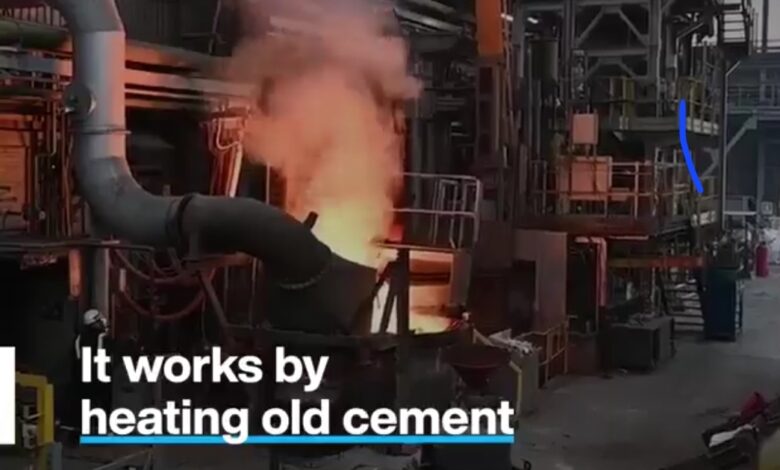
In 2024, researchers at the University of Cambridge challenged this limitation. They discovered that recovered cement can actually replace some of the materials used during steel recycling in electric arc furnaces. The intense heat already generated by the furnace reactivates the old cement, producing what they call “electric cement.”
Why This is a Game-Changer
- Massive Carbon Footprint: Cement production is responsible for roughly 7.5% of global carbon emissions.
- Hard-to-Abate Emissions: These emissions are notoriously difficult to eliminate because they originate not just from the fossil fuels used to heat limestone, but from the inevitable chemical reactions involved in producing the cement itself.
The Power of the Circular Economy
Beyond the immediate environmental benefits, this breakthrough highlights the true potential of the circular economy. It successfully connects massive industries—like steel and cement—that were previously designed and operated completely separately, turning the waste of one process into a vital resource for another.
Join the Conversation
What do you think of this cross-industry synergy? Where else could this kind of circular economy approach be implemented?