Tahukah Anda
Sustainable Development Goals
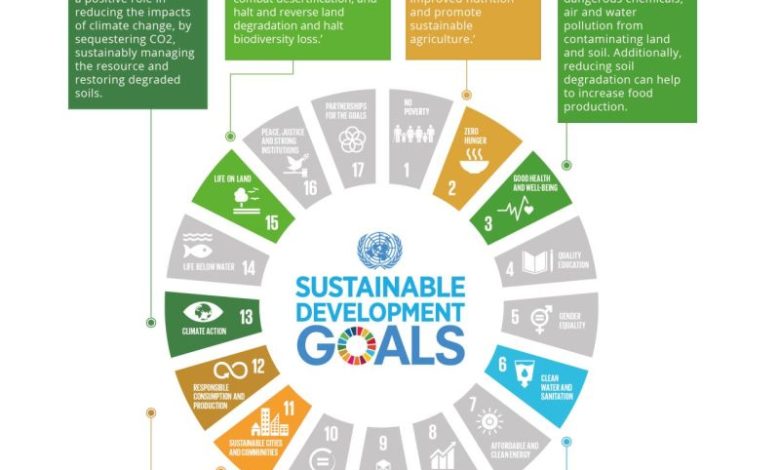
Healthy soils and sustainable land use are fundamental to achieving many of the United Nations Sustainable Development Goals (SDGs). The quality of our soil and the way we manage our land have far-reaching impacts on various aspects of human and environmental health. Here’s why they are so crucial:
1. Food Security and Agriculture (SDG 2)
- Nutrient-Rich Crops: Healthy soils are essential for growing nutrient-rich crops that ensure food security and nutrition. Fertile soil supports plant growth, increases agricultural yields, and enhances the resilience of food systems.
- Sustainable Farming: Sustainable land use practices, such as crop rotation and organic farming, improve soil health and productivity, leading to long-term food security.
2. Clean Water and Sanitation (SDG 6)
- Water Filtration: Healthy soils play a critical role in filtering and regulating water flow. They help maintain groundwater levels and prevent pollution from entering water sources.
- Erosion Control: Proper land management reduces soil erosion, which helps protect water quality and prevent sedimentation in rivers and lakes.
3. Climate Action (SDG 13)
- Carbon Sequestration: Soils are significant carbon sinks, meaning they can absorb and store carbon dioxide from the atmosphere. This helps mitigate climate change by reducing greenhouse gas levels.
- Climate Resilience: Sustainable land management enhances the resilience of ecosystems to climate impacts, such as droughts and floods, by maintaining soil health and structure.
4. Life on Land (SDG 15)
- Biodiversity: Healthy soils support a diverse range of organisms, from microorganisms to plants and animals. This biodiversity is crucial for ecosystem stability and the provision of ecosystem services.
- Ecosystem Services: Well-managed land contributes to various ecosystem services, including nutrient cycling, pollination, and habitat provision, all of which support biodiversity and ecosystem health.
5. Sustainable Cities and Communities (SDG 11)
- Urban Planning: Sustainable land use in urban areas reduces the impact of urbanization on natural resources. It includes green spaces, which improve urban resilience, enhance community well-being, and reduce heat island effects.
- Waste Management: Healthy soils and land management practices help in managing and reducing waste, such as through composting and recycling organic materials.
6. Good Health and Well-being (SDG 3)
- Reduced Pollution: Sustainable land use minimizes pollution and degradation, contributing to cleaner air and water, which are essential for public health.
- Mental Health: Access to green spaces and well-managed natural environments has been shown to benefit mental health and well-being.
7. Economic Growth (SDG 8)
- Sustainable Agriculture: Healthy soils support productive agricultural systems that can drive economic growth and provide livelihoods for farmers and rural communities.
- Land-based Economies: Sustainable land use supports various economic activities, including forestry, tourism, and agriculture, by ensuring the long-term viability of land resources.
8. Reducing Inequalities (SDG 10)
- Equitable Resource Distribution: Sustainable land management practices can help ensure that resources are used efficiently and fairly, reducing inequalities in access to land and resources.
In summary, achieving the SDGs relies heavily on maintaining and improving soil health and implementing sustainable land use practices. These efforts are essential for ensuring food security, protecting water resources, combating climate change, preserving biodiversity, and supporting economic and community well-being.
source :