The real truth behind catastrophes

We’ve all heard the term “natural disaster” thrown around—whether on the news, in discussions with NGOs, or even in statements from international organizations. It’s a phrase so common that few stop to question it. But here’s the reality: there’s no such thing as a natural disaster.
This isn’t just semantics; it’s a vital truth that challenges us to rethink how we approach and respond to catastrophes.
Disasters Aren’t Natural
What we often label as a “natural disaster” is, in fact, the result of a collision between natural hazards and human vulnerability. Let’s break it down:
Disaster = Hazard + Exposure + Vulnerability
A hurricane, earthquake, or flood is a natural hazard—a force of nature. But it only becomes a disaster when it strikes a community that’s unprepared, underprotected, or particularly vulnerable.
Consider this:
- Exposure happens when people live in areas prone to hazards, like floodplains or seismic zones.
- Vulnerability stems from factors like poverty, inequality, or exclusion, leaving communities unable to protect themselves or recover effectively.
Disasters don’t happen in a vacuum—they’re shaped by societal choices, policies, and inequalities.
Beyond Nature: The Human Impact on Disasters
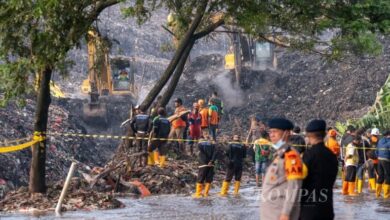
Some disasters are linked to natural hazards, like wildfires or droughts, but their severity is often magnified by human actions. Deforestation can worsen flooding; poorly regulated industries can trigger man-made hazards like chemical spills or nuclear leaks. These events devastate ecosystems, ruin livelihoods, and disrupt lives—but they’re not “natural disasters.”
The distinction is crucial. By labeling them as natural, we risk ignoring the human responsibility and systemic failures that make them so destructive.
The Power to Prevent Disasters
Here’s the hopeful part: while we can’t stop natural hazards from occurring, we can stop them from turning into disasters. How? Through deliberate choices and actions.
- Early warnings save lives. Advances in technology allow us to predict hurricanes, earthquakes, and tsunamis with increasing accuracy.
- Stronger infrastructure can withstand extreme weather and seismic events, safeguarding communities.
- Targeted protection ensures that the most vulnerable—children, the elderly, and marginalized groups—are prioritized in disaster planning.
- Resilience investments help communities recover faster, breaking the cycle of disaster and poverty.
Each of these measures reflects a conscious decision to prioritize safety, equity, and preparedness.
Words Matter: Rejecting “Natural Disasters”
When we call an event a “natural disaster,” we absolve ourselves of accountability. It’s a subtle way of shrugging off responsibility, as if the devastation was inevitable. But it’s not.
By challenging this language, we open the door to more honest conversations. We force ourselves—and our leaders—to confront the social, economic, and political choices that put lives at risk.
So next time someone mentions a “natural disaster,” take a stand. Gently correct them. Explain that disasters aren’t natural—they’re a failure of preparedness, protection, and policy.
Together, we can change the narrative. We can stop hazards from becoming disasters. And in doing so, we can save lives, protect communities, and build a fairer, more resilient world. Because there’s nothing natural about preventable suffering.
source :
https://www.undrr.org/our-impact/campaigns/no-natural-disasters