Understanding Scope 4 Emissions

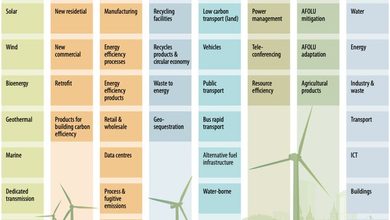
Scope 4 emissions is an emerging concept introduced by the World Resources Institute (WRI), referring to “avoided emissions”, the greenhouse gas (GHG) reductions that occur outside a company’s direct operations or value chain, often due to the use or promotion of low-carbon products or services.
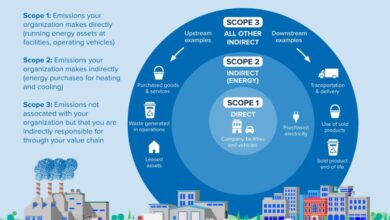
These emissions are not traditionally captured under Scope 1 (direct), Scope 2 (indirect from energy), or Scope 3 (value chain), but they highlight the positive environmental impact a company can have beyond its boundaries.
What are Scope 4 Emissions?
Unlike Scope 1 (direct emissions), Scope 2 (indirect from purchased energy), and Scope 3 (value chain emissions), Scope 4 refers to avoided emissions—the greenhouse gas reductions that occur outside a company’s direct operations or value chain as a result of its products, services, or business decisions.
These are not emissions the company produces, but rather emissions it helps prevent from being generated elsewhere.
Examples of Scope 4 Emissions
– Low-Carbon Products: A solar panel manufacturer avoids emissions by enabling consumers to replace coal-based electricity.
– Energy-Efficient Tech: A company producing LED bulbs indirectly reduces electricity consumption and associated emissions.
– Remote Work Enablement: Digital tools and flexible work policies may reduce commuting and office energy use, contributing to avoided emissions.
– Product Substitution: A plant-based food brand reduces emissions compared to traditional meat production.
Why Scope 4 Matters?
– Encourages Innovation: It promotes low-carbon business models by recognizing and quantifying their positive externalities.
– Differentiates Leadership: Companies showcasing their role in reducing global emissions gain reputational and investor advantages.
– Supports Net Zero Claims: Scope 4 helps contextualize how companies are contributing to decarbonization beyond their own emissions.
The Challenge: Lack of Standardization
Currently, Scope 4 is not officially recognized in the GHG Protocol, meaning:
– There’s no standardized method to calculate or verify avoided emissions.
– Companies risk inconsistent reporting or double-counting if not careful.
Scope 4 emissions offer businesses to reduce climate impact beyond their immediate operations. While still evolving and unstandardized, this concept encourages innovation, supports transparent sustainability claims, and highlights the real-world benefits of low-carbon products and services.
Source:
https://www.linkedin.com/feed/update/urn:li:activity:7350373546084241410