Unmasking scope 4 emissions
Beyond the Footprint: Understanding the Impact of Scope 4 Emissions
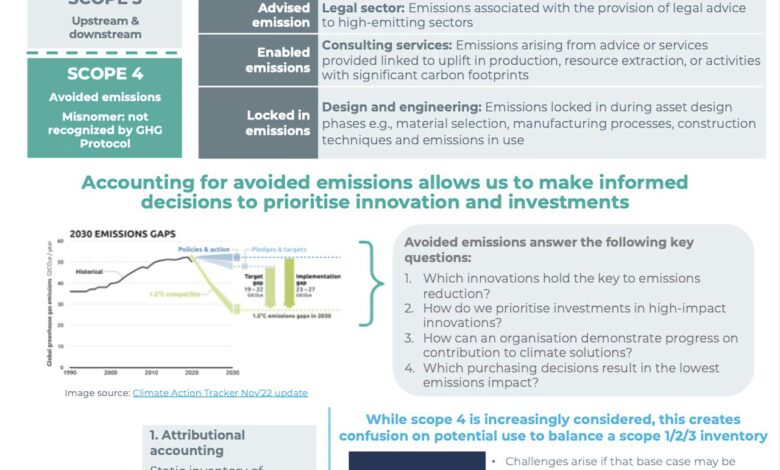
When we talk about a company’s environmental impact, we often hear about Scope 1, 2, and 3 emissions direct, indirect, and value chain emissions. But there’s a lesser-known, yet increasingly vital, category emerging: Scope 4 emissions. These aren’t your typical emissions; they represent the emissions avoided due to a company’s products or services. Think of it as the positive ripple effect.
What Exactly Are Scope 4 Emissions?
Often considered a subset of Scope 3, Scope 4 emissions specifically capture the reductions in greenhouse gas emissions that occur outside a product’s direct life cycle or value chain, but as a direct result of its use.
Let’s break that down with an example: Imagine a company that manufactures and sells LED light bulbs. The emissions from making those bulbs and shipping them to stores fall under Scope 3 emissions. But what if that same company also offers a home energy audit service? The emissions saved by customers who follow the audit’s recommendations and reduce their energy consumption – those are Scope 4 emissions. It’s the positive impact generated by the product or service in the hands of the consumer.
Why Are Scope 4 Emissions Gaining Importance?
As businesses worldwide strive to significantly reduce their overall carbon footprint, understanding and measuring Scope 4 emissions becomes crucial. By quantifying these avoided emissions, companies can:
- Highlight their true climate impact: It provides a more holistic view of a company’s contribution to climate solutions, not just its operational footprint.
- Identify new opportunities for positive change: It encourages innovation in products and services that actively help customers or other entities reduce their emissions.
- Demonstrate leadership in sustainability: Companies that proactively measure and report Scope 4 emissions show a deeper commitment to tackling climate change.
Examples of Scope 4 Emissions in Action:
- Energy-efficient products: The emissions saved when consumers use appliances like energy-star refrigerators, low-flow showerheads, or, as in our example, LED light bulbs, are all potential Scope 4 emissions for the manufacturers.
- Enabling remote work: For companies that provide teleconferencing software or other tools facilitating remote work, the emissions avoided by employees not commuting to an office could be considered Scope 4.
- Waste management solutions: Emissions avoided through robust recycling programs or advanced composting services that divert waste from landfills or incinerators.
While measuring and reporting Scope 4 emissions can be complex, its growing importance means companies are increasingly finding ways to do so. By understanding this unique category of emissions, organizations can not only identify further opportunities to reduce their carbon footprint but also truly demonstrate their positive impact on the fight against climate change.