
Walkable design standard guidebook
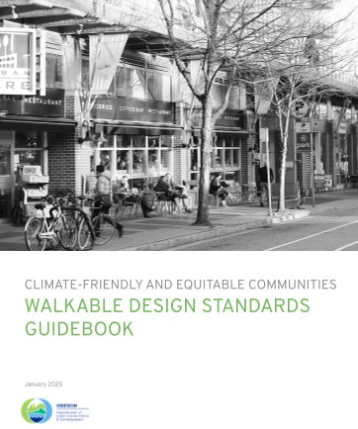
If you’re passionate about walkable cities, climate resilience, and equitable urban planning, Oregon’s latest initiative is something you need to know about. The Walkable Design Standards, developed under the Climate-Friendly and Equitable Communities (CFEC) program, offer more than just policies they provide a visionary framework for the cities of tomorrow.
As the world faces mounting challenges—from climate change and social inequality to public health crises—cities are seeking ways to become more livable, accessible, and sustainable. Oregon’s approach goes beyond theory; it provides practical, adaptable solutions that urban planners, policymakers, and community leaders can apply globally.
A New Way to Design Cities for People, Not Just Cars
Oregon’s framework isn’t just about sidewalks and bike lanes it’s about rethinking how we shape our cities to prioritize people over vehicles. At its core, the Walkable Design Standards focus on three key pillars that transform urban landscapes into thriving, pedestrian-friendly spaces:
- Development Orientation – Ensuring that buildings engage the street with active frontages, human-scale design, and mixed-use spaces.
- Connectivity & Accessibility – Creating a network of safe, direct, and pleasant walking and cycling routes that encourage non-motorized travel.
- Compact Development – Promoting efficient land use by reducing sprawl and encouraging higher-density, mixed-use neighborhoods where daily needs are within easy reach.
This holistic approach aligns seamlessly with global movements like the 15-minute city, which envisions urban environments where residents can access work, school, groceries, and recreation within a short, convenient walk or bike ride.
Tailored Solutions for Different Neighborhoods
One of the most powerful aspects of Oregon’s strategy is its context-sensitive approach. Not all urban areas are the same, and walkability solutions must be adaptable. The framework categorizes urban spaces into four distinct district types, each with customized design principles:
Suburban Commercial – Retrofitting sprawling retail areas to be more walkable and transit-friendly.
Neighborhood Residential – Enhancing sidewalks, crossings, and slow streets to make neighborhoods safer for pedestrians.
Main Street Corridor – Strengthening mixed-use developments with active street life and small businesses.
Downtown Center – Prioritizing pedestrian-friendly streetscapes, public spaces, and transit hubs in urban cores.
Regulating Urban Form, Not Just Housing Units
Instead of dictating how many units a building should have, Oregon’s guidelines focus on urban form—how buildings, streets, and public spaces interact. By prioritizing human-centric design over outdated zoning rules, the framework naturally:
✅ Shortens travel distances and promotes walking, biking, and public transit.
✅ Aligns development with market realities—reducing regulatory hurdles for sustainable growth.
✅ Boosts social equity by ensuring all communities—not just affluent areas—benefit from walkability improvements.
Flexibility, Community Voices & Policy Integration
One of the standout features of Oregon’s approach is its flexibility. The guidelines provide a strong foundation but allow local governments to tailor solutions to their unique challenges and opportunities. Importantly, they emphasize the role of community engagement—ensuring that walkability efforts are inclusive, equitable, and shaped by the people they serve.
The framework also recognizes that successful implementation requires collaboration. Walkable cities aren’t built in silos; they require integrated efforts across transportation, housing, economic development, and environmental planning departments.
A Timely Model for Global Urban Transformation
With urbanization accelerating worldwide, the need for walkable, sustainable, and climate-resilient cities has never been greater. Oregon’s Walkable Design Standards provide a timely and adaptable roadmap for cities everywhere—whether they’re revamping aging infrastructure or designing new communities from the ground up.
Walkable cities aren’t just about convenience they’re about public health, economic resilience, and environmental sustainability. They reduce emissions, support local businesses, improve quality of life, and create thriving, people-first urban spaces.
As global cities grapple with climate change, housing affordability, and transportation challenges, Oregon’s CFEC-inspired framework offers not just a vision, but an actionable strategy.
source :


