
What is a 15-Minute City?
A 15-Minute City is an urban planning model that redefines the relationship between people and their cities by prioritizing proximity, accessibility, and livability. It ensures that residents can meet most of their daily needs—work, education, healthcare, shopping, and recreation—within a 15-minute walk or bike ride. This approach not only reduces car dependency but also addresses broader challenges such as urban congestion, social inequality, and environmental degradation.
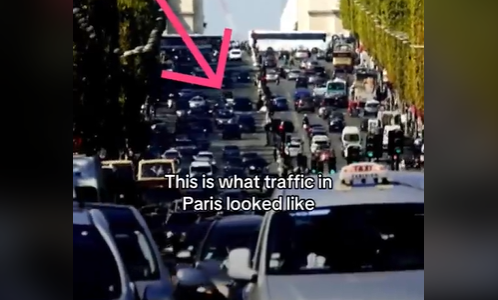
Paris has emerged as a global example of this concept in action. One of its most transformative projects was converting the right bank of the Seine River from a traffic-heavy highway into a car-free urban park. This space, once dominated by vehicles, is now used for cycling, walking, and leisure activities. The initiative improved air quality, reduced noise pollution, and created a space where people can connect with their environment and each other.
The 15-Minute City concept is not limited to transportation. Paris has invested heavily in creating over 1,000 kilometers of cycling infrastructure, pedestrianizing school streets to enhance safety, and opening schoolyards and nurseries for public use during weekends. These changes have fostered vibrant neighborhoods where residents have access to services, green spaces, and recreational facilities within short distances, improving both physical and mental well-being.
This approach also promotes social inclusion and participatory governance. Paris implemented participatory budgets, enabling residents to allocate resources to community-led projects. It decentralized aspects of urban planning, giving local districts a greater role in shaping their neighborhoods. These measures not only empower residents but also ensure that urban development reflects the diverse needs of communities.
By integrating environmental, social, and economic goals, the 15-Minute City offers a blueprint for addressing many of the challenges urban areas face today. Paris’ example demonstrates that reshaping cities around people, rather than vehicles, can lead to healthier, more equitable, and more sustainable urban environments. This concept is now inspiring cities worldwide to rethink their future.
Source:


