What is carbon neutrality?
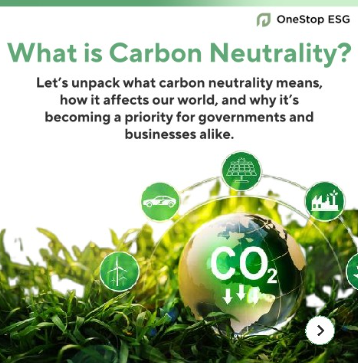
Carbon neutrality is rapidly shifting from a corporate buzzword to a fundamental business necessity. As climate risks and regulatory pressures mount, organizations are re-evaluating every aspect of their operations to thrive in a carbon constrained world. The drive toward net zero is no longer optional it’s becoming central to long term competitiveness, stakeholder trust, and even market access.
The Path to Net Zero: Strategies and Shifts
To meet ambitious climate targets, companies are deploying a range of strategies:
- Cutting direct emissions by optimizing energy use, electrifying fleets, and investing in renewable energy.
- Investing in nature-based offsets such as reforestation and peatland restoration, especially in countries like Indonesia where land use is a major emissions source.
- Rethinking supply chains to reduce embedded carbon and improve transparency.
These efforts are increasingly being tracked and reported, with climate performance now influencing investor decisions, consumer preferences, and even regulatory compliance.
The Roadblocks: Costs, Fossil Fuels, and Policy Gaps
Despite growing momentum, the journey to carbon neutrality is fraught with challenges:
- High Costs and Investment Needs: Transitioning to renewables and low-carbon technologies often requires significant upfront investment. In Indonesia, for example, the government’s shifting renewable energy targets and slow progress in scaling up renewables highlight just how difficult and costly the transition can be.
- Fossil Fuel Dependence: Many economies, including Indonesia, remain heavily reliant on coal and other fossil fuels for power generation. This dependence is reinforced by existing infrastructure, subsidies, and policy inertia, making rapid change difficult.
- Inconsistent Global Standards: Patchy and evolving international standards for carbon accounting and offset quality create uncertainty for businesses operating across borders.
The Indonesian Context: Ambition Meets Reality
Indonesia’s experience underscores these global dynamics. The country has pledged to reach net zero emissions by 2060 or sooner and is expanding climate action to the sub-national level from 2025. However, Indonesia’s renewable energy targets have recently been revised downward, and the nation has struggled to meet even these reduced goals. Heavy reliance on coal, slow regulatory reform, and funding gaps threaten to derail progress, even as the government pushes for a more integrated, low-carbon development strategy.
Looking Ahead: Imperative for Action
For businesses, the message is clear: carbon neutrality is not just about reputation it’s about resilience and relevance in a changing world. The companies that move fastest to decarbonize, adapt, and innovate will be best positioned to navigate risks, seize new opportunities, and help shape a sustainable future. For countries like Indonesia, aligning policy, investment, and implementation with global climate goals will be crucial to turning ambition into action and ensuring a just, credible transition to net zero.
source :