When Cities Choose Trees Over Concrete
When Cities Choose Trees Over Concrete
What if the most powerful climate technology wasn’t a machine—but a forest?
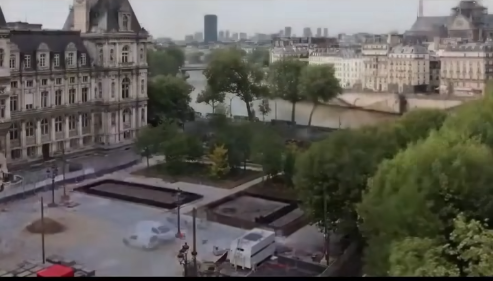
Paris is proving that climate resilience can begin at street level. By transforming part of the iconic square in front of the Hôtel de Ville into an urban forest, the city has replaced hard surfaces with trees, native vegetation, and permeable green spaces designed to cool the urban environment and restore biodiversity.
This is more than a beautification project.
Urban forests help reduce the urban heat island effect, improve air quality, absorb rainwater, support pollinators, and create healthier public spaces for people to live, work, and connect.
As heatwaves become more frequent and cities continue to grow, every square metre of green infrastructure matters. Climate adaptation isn’t only about preparing for tomorrow—it’s about redesigning our communities today.
Imagine if every city converted even a fraction of its unused concrete into living landscapes.
The benefits would extend far beyond aesthetics:
🌳 Cooler neighbourhoods
💧 Better stormwater management
🦋 Richer biodiversity
🌍 Greater climate resilience
❤️ Healthier, more liveable communities
The cities that thrive in the future won’t simply be smarter.
They’ll be greener.
The question isn’t whether we have enough space for nature.
It’s whether we’re willing to give it back.