𝗖𝗮𝗿𝗯𝗼𝗻 𝗠𝗮𝗿𝗸𝗲𝘁𝘀 𝗔𝗿𝗲 𝗡𝗼𝘁 𝗝𝘂𝘀𝘁 𝗔𝗯𝗼𝘂𝘁 𝗕𝘂𝘆𝗶𝗻𝗴 𝗖𝗿𝗲𝗱𝗶𝘁𝘀
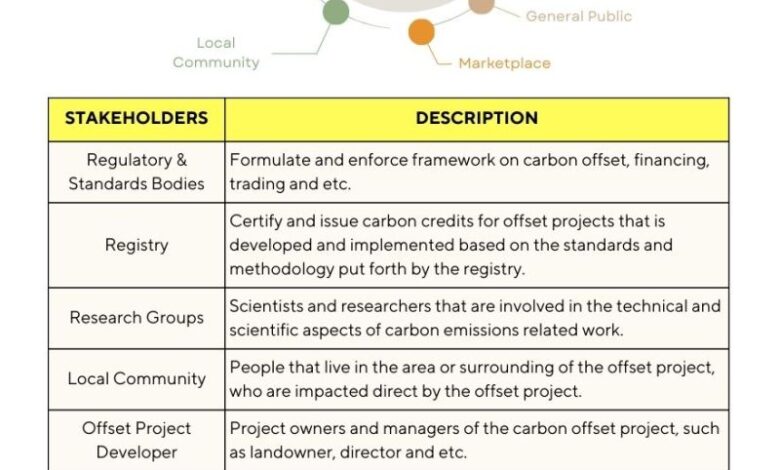
𝗖𝗮𝗿𝗯𝗼𝗻 𝗠𝗮𝗿𝗸𝗲𝘁𝘀 𝗔𝗿𝗲 𝗡𝗼𝘁 𝗝𝘂𝘀𝘁 𝗔𝗯𝗼𝘂𝘁 𝗕𝘂𝘆𝗶𝗻𝗴 𝗖𝗿𝗲𝗱𝗶𝘁𝘀
Many people think the carbon market is simple:
A company emits.
A company buys carbon credits.
Problem solved. 👣⚠️
But this infographic from Karbon Hero shows why the carbon market is actually a whole ecosystem.
There are regulators and standards bodies setting the rules.
Registries issuing and tracking credits.
Project developers implementing carbon projects.
Verifiers checking whether claims are credible.
Carbon accountants measuring emissions.
Brokers and marketplaces enabling transactions.
Buyers purchasing credits.
Researchers strengthening the science.
And local communities living with the real impacts of projects.
For ESG and sustainability teams, this is important because carbon credits are not just financial instruments.
They are built on trust.
Before any organisation uses carbon credits, it should ask:
– Who developed the project?
-Which standard or methodology was used?
-Has the project been independently verified?
-Is the credit properly registered?
– Are local communities protected and fairly engaged?
-Is the credit being used for residual emissions, not to avoid real reduction?
This is where carbon markets connect directly to ESG, climate action and planetary health.
A credible carbon market can help finance forest protection, renewable energy, methane reduction, clean technology and nature-based solutions.
But a weak carbon market can create confusion, greenwashing and false confidence.
Carbon credits are only as credible as the system behind them.
So before buying credits, understand the stakeholders.
Because in carbon markets, trust is not automatic.
It has to be designed, verified and governed.