Tahukah Anda
5 Things You Need to Know About Biodiversity Loss
1. Definition and Importance of Biodiversity
Biodiversity refers to the variety of life on Earth, including species diversity, genetic diversity, and ecosystem diversity. It is essential for the resilience of ecosystems, providing critical services such as pollination, nutrient cycling, water purification, and climate regulation. Biodiversity supports food security, human health, and economic livelihoods.
2. Causes of Biodiversity Loss
- Habitat Destruction: Deforestation, urbanization, and agriculture are primary drivers of habitat loss, fragmenting and degrading natural environments.
- Climate Change: Altered temperature and precipitation patterns, rising sea levels, and increased frequency of extreme weather events threaten species and ecosystems.
- Pollution: Contaminants such as plastics, pesticides, and industrial waste harm wildlife and degrade habitats.
- Overexploitation: Overfishing, hunting, and logging deplete species populations and disrupt ecological balance.
- Invasive Species: Non-native species introduced by human activities can outcompete, prey on, or bring diseases to native species.
3. Consequences of Biodiversity Loss
- Ecosystem Instability: Loss of species can lead to ecosystem collapse, reducing the ability of ecosystems to provide essential services.
- Food Security: Reduced biodiversity affects crop pollination, pest control, and soil fertility, jeopardizing food production and security.
- Health Risks: Biodiversity loss can increase the prevalence of diseases, as diverse ecosystems often regulate pathogens.
- Economic Impact: Many industries, including agriculture, fisheries, and tourism, rely on healthy ecosystems and diverse species. Biodiversity loss can result in economic decline and job losses.
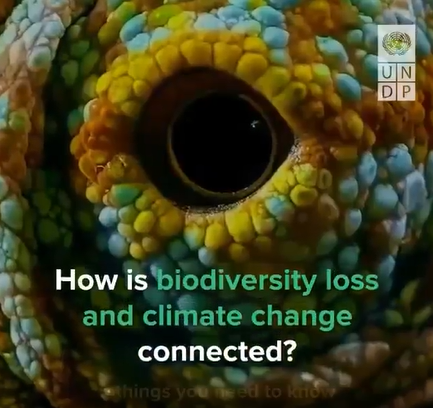
- Climate Feedback: Biodiverse ecosystems sequester carbon and regulate the climate. Their loss can exacerbate climate change, creating a vicious cycle of environmental degradation.
4. Conservation Efforts and Solutions
- Protected Areas: Establishing and effectively managing protected areas helps conserve critical habitats and species.
- Sustainable Practices: Adopting sustainable agriculture, forestry, and fishing practices reduces the pressure on natural resources and ecosystems.
- Restoration Projects: Ecosystem restoration, such as reforestation and wetland rehabilitation, can recover biodiversity and ecosystem services.
- Legislation and Policy: Strong environmental laws and policies, along with international agreements, are crucial for protecting biodiversity.
- Community Engagement: Involving local communities in conservation efforts ensures sustainable use of resources and protects traditional knowledge.
5. The Role of Individuals
- Awareness and Education: Increasing awareness about the importance of biodiversity and the impacts of its loss can drive public support for conservation.
- Sustainable Choices: Making environmentally friendly choices, such as reducing waste, supporting sustainable products, and conserving water, can help protect biodiversity.
- Advocacy and Support: Supporting conservation organizations and advocating for policies that protect biodiversity can lead to positive change.
- Responsible Consumption: Reducing consumption of products that harm biodiversity, such as single-use plastics and unsustainable seafood, can lessen the impact on ecosystems.
- Participation in Conservation Activities: Volunteering for or participating in local conservation projects can directly contribute to biodiversity preservation.
Biodiversity loss is a pressing global issue with far-reaching consequences for ecosystems, human well-being, and the planet’s climate. Understanding the causes, impacts, and solutions is essential for addressing this crisis and fostering a sustainable future for all. By taking action at individual, community, and policy levels, we can help protect and restore biodiversity.
source :