Tahukah Anda
The life cycle of a carbon offset
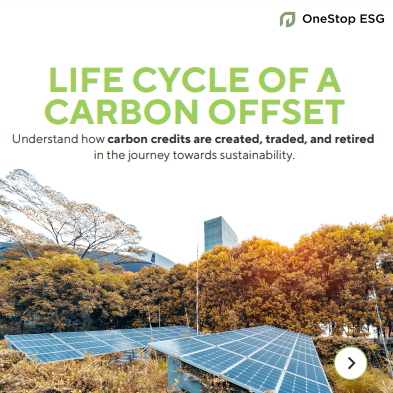
Understanding how carbon offsets work is essential to grasping how organizations and individuals contribute to environmental sustainability. Here’s an in-depth look at each step in the process:
- Carbon Credit Project Set-Up
The journey begins with the creation of a carbon offset project. This involves planning and implementing initiatives—such as reforestation, renewable energy installations, or energy efficiency improvements—that are designed to reduce greenhouse gas emissions. Detailed project proposals are developed, specifying how the project will generate verifiable emission reductions. - Carbon Credits Issued
Once the project is up and running, it undergoes a rigorous verification process by independent third-party auditors. After verification, carbon credits are officially issued. Each credit represents one metric ton of carbon dioxide (or its equivalent in other greenhouse gases) that has been reduced or removed from the atmosphere as a result of the project’s activities. - Credits Put Up for Sale
With the carbon credits issued, they are then listed on a marketplace where they become available for purchase. This step connects project developers with businesses, governments, and individuals looking to offset their carbon footprint. The marketplace provides transparency and facilitates the trading of credits by setting clear standards for quality and authenticity. - Participants Buy/Sell
In this stage, various market participants—ranging from large corporations aiming to meet regulatory requirements to environmentally conscious consumers—engage in the buying and selling of carbon credits. This dynamic trading process helps determine the market value of carbon credits, ensuring that supply and demand principles are in play. - Credits Bought
Once purchased, the carbon credits represent a tangible commitment to reducing overall carbon emissions. Organizations may buy credits to achieve carbon neutrality, while individuals might purchase them as a way to support environmental initiatives. This stage marks the point where financial investment directly translates into environmental impact. - Credits Retired
The final step in the life cycle is the retirement of the credits. Retirement is the formal process of taking the credits out of circulation, ensuring that they cannot be resold or used again. This critical step confirms that the carbon reduction associated with the credits is permanently accounted for, effectively balancing out the buyer’s carbon emissions.
By following these detailed steps, the carbon offset process not only helps combat climate change but also supports sustainable development initiatives worldwide.