
Food loss and waste in Indonesia
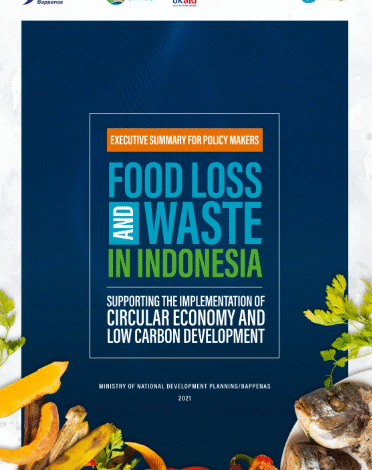
Indonesia’s Food Waste Crisis: A Call to Action
Indonesia is grappling with a massive food loss and waste (FLW) problem, with profound consequences for the environment, economy, and society. The statistics are staggering: between 2000 and 2019, the country wasted an estimated 23–48 million tons of food annually, translating to an astonishing 115–184 kg per person each year. Most of this waste happens at the consumption stage, with cereals and horticultural products being the biggest culprits.
The Domino Effect of Food Waste
The impact of this waste is far-reaching and destructive. Environmentally, FLW contributes 1,702.9 Mt of CO₂-eq emissions, accounting for over 7% of Indonesia’s total greenhouse gas emissions. Economically, the country loses an estimated Rp213–551 trillion annually, a staggering 4–5% of its GDP.
But perhaps the most heartbreaking consequence is the social irony. The wasted food represents a potential energy loss of 618–989 kcal per person daily, enough to feed up to 125 million people. This is a stark contradiction in a country with high rates of malnutrition.
Tackling the Root Causes
The reasons behind this crisis are multifaceted. They range from poor post-harvest handling and inadequate storage to demanding market standards and consumer preferences. A lack of education among food workers and a widespread culture of excessive consumption also play significant roles.
To combat this, the government has developed a comprehensive strategy with 45 initiatives across five key policy areas:
- Behavioral Change: Shifting consumer mindsets to reduce waste at home.
- Food System Improvement: Optimizing everything from farming to distribution.
- Strengthening Regulations and Funding: Creating a supportive legal and financial framework.
- Circular Economy: Finding innovative ways to reuse and repurpose FLW.
- Data and Research: Building a robust national database to track progress and inform future policies.
Without these interventions, projections show that per capita FLW could balloon to 344 kg by 2045. However, with the new strategies, this figure could be slashed to 166 kg per person, a remarkable reduction.
Bappenas: The Driving Force for Change
Leading this crucial effort is the Ministry of National Development Planning (Bappenas). As the architect of the national FLW study and the force behind integrating these policies into national development plans, Bappenas is more than just a planning agency; it’s a cross-sector coordinator. This role is vital for ensuring that all ministries and agencies are aligned, regulations are in place, and sustainable funding is secured.
Bappenas’ leadership is instrumental in helping Indonesia achieve its SDG 12.3 target of halving food waste by 2030, using an evidence-based approach to ensure a more sustainable and equitable future.


