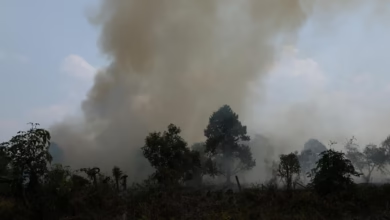
Trees are natural ACs for cities, if you plant the right ones
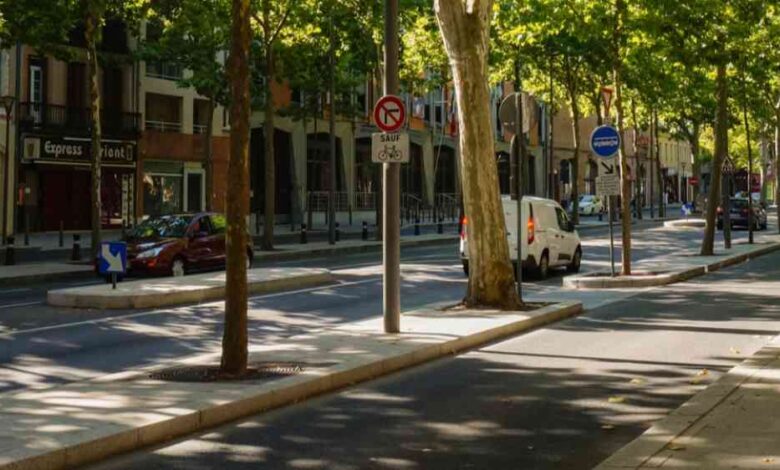
The Urban Oasis: Why Trees Are the Smartest City Investment
“The best time to plant a tree was 20 years ago. The second best time is today.” This timeless proverb has never been more urgent. As cities around the globe grapple with killer heat, urban trees are rising to the challenge not just as pretty landscaping, but as essential, natural air conditioners.
For millions, this isn’t a matter of comfort, it’s a matter of life and death. Extreme heat is estimated to contribute to nearly half a million deaths annually, putting a dangerous strain on the heart as the body desperately tries to cool itself. Alarmingly, repeated heatwave exposure can even age a person’s body comparable to regular smoking or drinking. That’s why networks like C40 Cities are prioritizing the addition of green infrastructure to tackle this rapidly escalating risk.
The Science of Shade: How Trees Beat the Heat
Trees are cooling powerhouses, operating through three clever mechanisms:
- Shade: The simplest and most direct way to block the sun’s scorching energy.
- Evapotranspiration: Like human sweat, trees release water vapor from their leaves, which absorbs heat as it evaporates.
- Airflow Modification: They can subtly influence wind patterns, helping to move hot air.
Researchers at the University of Cambridge recently offered the first comprehensive global assessment, finding that trees can slash pedestrian-level air temperatures by up to 12 C. In an incredible 83 of the 110 global cities studied, the hottest month’s air temperature was actually reduced to below 26 C after planting!
The Trade-Off: It’s Not a Simple Panacea
But here’s the critical catch: one size does not fit all.
“Our study busts the myth that trees are the ultimate panacea for overheating cities across the globe,” cautions Ronita Bardhan from the University of Cambridge. Planting the wrong tree in the wrong place can not only fail to cool things down, but can even trap heat radiating from the ground at night.
| Climate Type | Daytime Cooling | Nighttime Temperature Change | Key Insight |
| Hot and Dry | Substantial (over 9 C) | Modest warming (0.4 C) | Best overall performers. |
| Hot and Humid | High (up to 12 C) | Higher warming (up to 0.8 C) | Less successful due to night heat. |
| Temperate | Modest (6 C) | Largest warming (1.5 C) | The warming effect can be significant. |
The crucial question becomes: is the substantial daytime cooling worth a modest increase in night-time heat? Since night-time recovery is essential for human health, this trade-off requires careful planning. Open, low-rise cities benefit most, while compact layouts might need evergreen species for year-round shade.
Ultimately, the goal is Canopy Cover. Studies show a linear relationship: the greater the area covered by tree canopies, the greater the cooling effect. In some cities, reaching cover is necessary to maximize the benefits.
Funding and Fairness: The Challenge of Implementation
The sad truth is that the neighborhoods that need shade the most often low-income areas are the ones with the least green space. This exacerbates inequality, as leafy, park-adjacent areas tend to be the most desirable and expensive.
Cities are fighting this injustice by:
- Targeted Planting: Cities like Guadalajara are using vulnerability mapping (overlaying heat maps with demographic data) to ensure new trees are planted where the most vulnerable populations live.
- Innovative Funding: Freetown, Sierra Leone, is running the “Freetown the Treetown” initiative, which pays residents to plant and maintain geotagged trees, funded in part by exploring voluntary carbon markets.
- Citizen Engagement: Medellin, Colombia, trained disadvantaged citizens to create 30 “green corridors” credited with reducing city temperatures 2 degree Celcius.
The Elephant in the Room: Water Scarcity
Perhaps the biggest hurdle for trees is the very resource they need to cool us: water.
“A lot of the hottest places might also be some of the driest,” notes researcher Ian Smith. Increasing canopy cover to its maximum potential in 61 large cities could increase aggregate water demand by 3,200 million cubic meters per year a massive strain on local supplies.
The tragic 2011 drought in Texas, which killed an estimated $5.6$ million urban trees, serves as a stark warning. Cities had to spend $560 million just to remove the dead wood.
The path forward requires:
- Selecting drought-tolerant, location-appropriate species to slash water demand.
- Developing plans for emergency watering of existing canopies.
- Utilizing alternative water sources like reused wastewater or stormwater.
Trees are a long-term investment, taking decades to mature and deliver maximum cooling. To protect people from a heating planet, we must not only plant new trees wisely but also prioritize caring for the vital urban canopy we already have for a cooler, healthier future.
source:
https://www.preventionweb.net/news/trees-are-natural-acs-cities-if-you-plant-right-ones