ESG Metrics that drive real sustainability
Transforming ESG from Compliance to Competitive Edge
ESG (Environmental, Social, and Governance) is often mistaken for a defensive shield a way to avoid fines or quiet critics. In reality, ESG is a high-performance engine. When backed by the right metrics, it becomes a roadmap for resilience, a magnet for top-tier talent, and a key to unlocking lower-cost capital.
To move from “ambition” to “impact,” organizations must stop measuring what is easy and start measuring what is material.
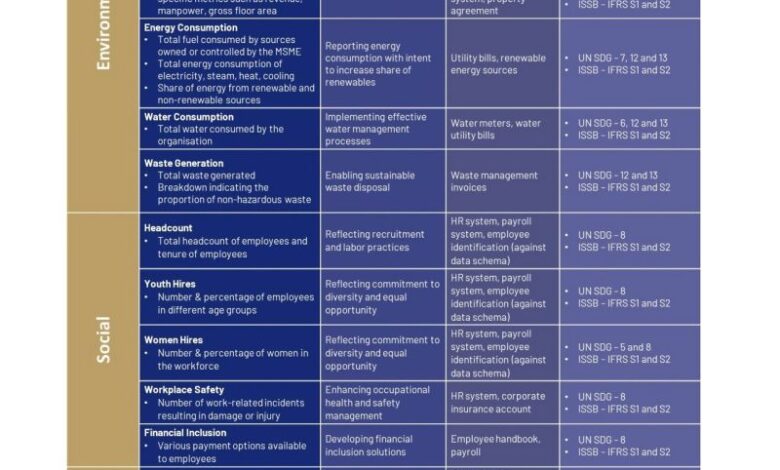
1. Environmental: Engineering Resource Resilience
Environmental metrics are often viewed as “costs,” but they are actually indicators of operational efficiency. A company that uses less energy and water per unit of output is a company with a lower risk profile and higher margins.
- Carbon Intensity (Scope 1 & 2): Moving beyond total emissions to measure “emissions per unit of revenue.” This proves you can grow while decarbonizing.
- The Renewable Mix: The percentage of your energy sourced from renewables isn’t just a green stat; it’s a hedge against volatile fossil fuel markets.
- Circularity Rate: Measuring waste diverted from landfills into circular loops.
2. Social: Measuring the Human Dividend
Social metrics are the “soul” of a sustainable company. In a global economy where human capital is the primary differentiator, these data points predict long-term productivity and brand loyalty.
- The Inclusivity Index: Tracking the participation of women and youth in leadership roles, not just entry-level positions.
- Workforce Stability: High retention rates are a direct proxy for healthy corporate culture and lower recruitment costs.
- Safety & Wellbeing: Measuring “lost time injury frequency rates” (LTIFR) alongside mental health support utilization.
- Financial Inclusion: For many regions, tracking whether employees have access to formal banking or fair credit is a powerful metric of social impact.
3. Governance: The Framework of Trust
Governance is the “glue” that ensures environmental and social goals aren’t abandoned during a market downturn. It is about transparency, accountability, and the ethical “rules of the road.”
- Compliance Transparency: Tracking the speed and accuracy of regulatory reporting to avoid “governance lag.”
- Board Diversity & Independence: Ensuring the decision-makers represent a broad range of perspectives to mitigate “groupthink” risk.
- Ethical Pricing & Fair Trade: Forging long-term value through transparent transaction models that prevent predatory practices.
Why Data Beats Dialogue
In the world of sustainable finance, “we are trying our best” is not a currency. Measurable ESG metrics provide:
- Lower Cost of Capital: Banks and investors now offer “Sustainability-Linked Loans” where interest rates drop as you hit your ESG targets.
- Regulatory Preparedness: Alignment with ISSB (IFRS) and the GHG Protocol ensures you aren’t caught off guard by tightening global standards.
- Strategic Clarity: Data allows you to identify which parts of your business are “future-proof” and which are “carbon-liabilities.”
Sustainability isn’t a destination; it’s a data-driven discipline. By tracking the right metrics, businesses stop merely “doing less harm” and start “doing more good” profitably.