Dokumen
Investigasi Dampak PLTSa
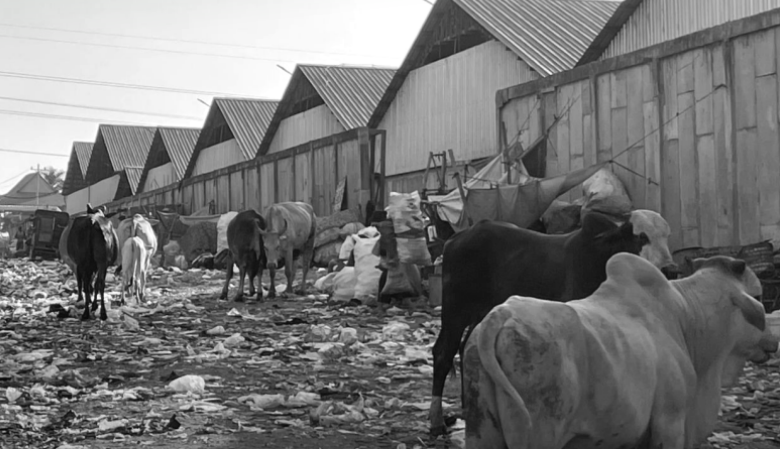
Indonesia has increasingly adopted PLTSa technology to address waste management challenges. Despite being designated a National Strategic Project, many planned facilities are not fully operational. PLTSa Putri Cempo underwent relayouting to improve operational efficiency, which significantly affected the surrounding community.Impacts of PLTSa Operations and RelayoutingThe investigation highlights several negative consequences for scavengers and residents:
- Social: The relayouting process restricted the scavengers’ workspace and working hours (now capped at 17:00). This has led to increased social conflicts between scavengers and TPA management, as well as conflicts among scavengers due to income inequality. Conversely, the project has occasionally provided local employment opportunities.
- Cultural: Scavengers’ traditional working methods have changed, becoming more controlled and surveilled by PLTSa management to avoid interfering with operations. Additionally, the frequency of scavengers’ communal meetings (paguyuban) has increased, serving as a support system for sharing hardships.
- Economic: Scavengers face a significant decline in income—dropping from approximately Rp100,000 to Rp70,000 per day—because waste is often fed directly into machines rather than being sorted first. Some scavengers have adapted by cultivating maggot for livestock feed. Notably, the community has not received the promised electricity benefits.
- Environmental: Residents and scavengers suffer from noise pollution, air pollution from burning and dust, and water contamination from leachate (air lindi). These conditions have caused health issues, including coughs and respiratory problems.
https://drive.google.com/file/d/14Qy-7MfRxEk1A13uWk6d-qX-TimbUl49/view