10 Transformative solutions to tackle climate change
Mitigating climate change demands urgent and decisive action across industries and lifestyles. The World Resources Institute highlights ten key strategies that can turn the tide on global warming. Beyond just understanding them, these solutions call for each of us—individuals, businesses, and governments—to adopt and advocate for actionable change.
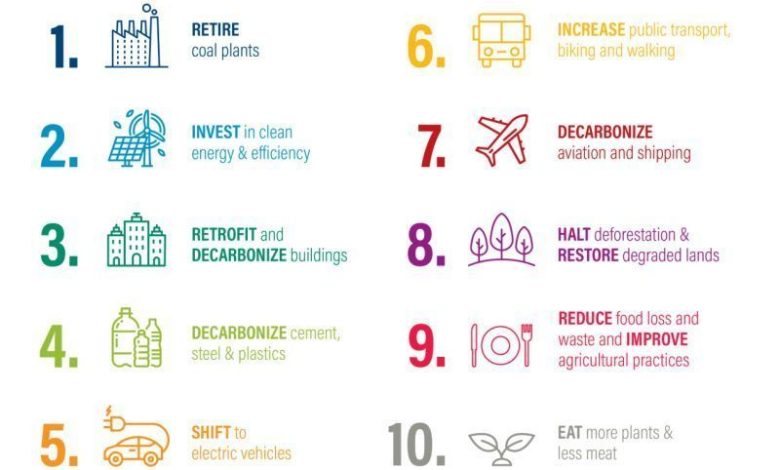
1. Retire Coal Plants
Phasing out coal, the single largest source of carbon emissions, is foundational to lowering greenhouse gases. As coal-fired plants are replaced with cleaner energy sources, we’ll be stepping away from the most polluting energy resource on the planet, marking a significant victory in our climate fight.
2. Invest in Clean Energy and Efficiency
Renewable energy sources like solar, wind, and hydro can power our homes and businesses without emitting CO₂. Enhancing energy efficiency across industries and residential areas allows us to do more with less, reducing waste and easing the burden on the environment. As clean energy scales, it will decarbonize our power sectors, paving the way for a low-carbon future.
3. Retrofit and Decarbonize Buildings
Buildings account for substantial emissions due to heating, cooling, and electricity use. Retrofitting existing structures to be energy-efficient and using sustainable materials in new construction reduces energy demand, making buildings smarter and greener. From rooftop gardens to high-efficiency windows, every improvement counts toward cleaner urban landscapes.
4. Decarbonize Cement, Steel, and Plastics
The cement, steel, and plastics industries are responsible for a significant chunk of global emissions due to their energy-intensive production processes. Innovations in these sectors—from low-carbon cement formulations to alternative plastics—are crucial for cutting industrial emissions. Decarbonizing these materials will help reshape our infrastructure while minimizing its environmental cost.
5. Shift to Electric Vehicles
Transportation emissions remain high, especially from fossil-fueled vehicles. Electric vehicles (EVs), powered by renewable energy, offer a cleaner, quieter alternative, reducing pollution in urban areas and dependency on oil. Adopting EVs can be a powerful tool in reducing personal carbon footprints and promoting cleaner air.
6. Increase Public Transport, Biking, and Walking
Transitioning to sustainable transport options not only cuts down on emissions but also reshapes our cities into more connected, healthier spaces. Supporting public transportation systems and creating safer infrastructure for biking and walking empowers people to make environmentally friendly commuting choices while fostering urban vibrancy.
7. Decarbonize Aviation and Shipping
Aviation and shipping are notoriously challenging sectors to decarbonize. Innovative solutions like sustainable aviation fuels and electric or hydrogen-powered ships are gaining traction, aiming to cut emissions from these high-impact sectors. Addressing these industries’ emissions is essential for a comprehensive climate action plan.
8. Halt Deforestation and Restore Degraded Lands
Forests are our natural carbon sinks, absorbing CO₂ and helping regulate the climate. Protecting them from deforestation and restoring degraded lands can sequester carbon, preserve biodiversity, and support local communities. By prioritizing nature, we secure invaluable allies in our climate journey.
9. Reduce Food Loss and Waste, Improve Agricultural Practices
Efficient food production and reducing waste can curb agricultural emissions, one of the largest sources of greenhouse gases. Sustainable farming techniques, like crop rotation and organic fertilizers, can improve soil health while reducing emissions. Limiting food waste along supply chains ensures that every calorie grown is a calorie that nourishes people instead of emitting CO₂.
10. Eat More Plants, Less Meat
Shifting towards plant-based diets reduces emissions associated with livestock production, a significant source of methane—a potent greenhouse gas. Small dietary changes, like opting for plant proteins or reducing meat consumption, can create big environmental gains, paving the way for a more sustainable food system.
source :