Can Homes Become Climate Solutions?
Can Homes Become Climate Solutions?
The future of sustainable housing may not be built with more concrete—it may be built with smarter materials and better design.
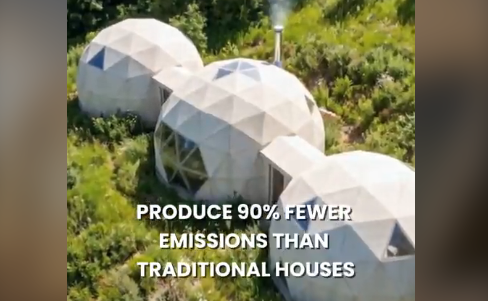
Around the world, innovators are rethinking how homes are constructed to reduce carbon emissions, improve resilience, and minimize waste. One example is modular bioceramic dome housing, where lightweight prefabricated components can be assembled quickly while using significantly fewer resources than conventional construction.
Buildings are responsible for a substantial share of global greenhouse gas emissions, making the built environment one of the biggest opportunities for climate action. Every improvement in materials, energy efficiency, and construction methods moves us closer to a low-carbon future.
What makes this new generation of housing so promising?
🌱 Lower embodied carbon through alternative building materials
⚡ Greater energy efficiency, reducing long-term operating costs
🛡️ Improved resilience against extreme weather, fires, and earthquakes
♻️ Less construction waste through modular design
🏗️ Faster assembly with fewer heavy machines and lower resource use
Sustainable housing is no longer just about installing solar panels or improving insulation. It’s about reimagining the entire lifecycle of a building—from the materials we choose to how homes are built, maintained, and eventually reused.
The homes of tomorrow should do more than provide shelter. They should strengthen communities, reduce environmental impact, and help build a more resilient future.
The next revolution in climate action may begin with the place we call home.