Chinatown’s fight against the heat: resilience in action
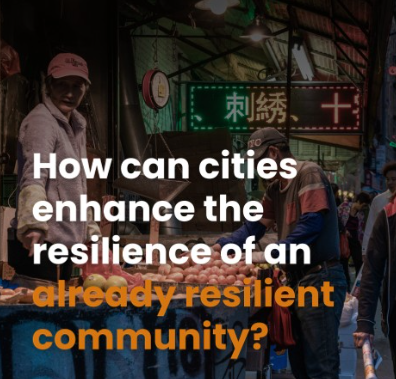
Is it the people who are vulnerable, or is it the environment that makes them fragile? This thought-provoking question lies at the heart of Chinatown’s story—a Boston neighborhood defined by its vibrant culture and tight-knit community but also by its pressing environmental challenges.
Chinatown is the hottest neighborhood in Boston. Densely populated and interwoven with shared living spaces, summer days can be up to 6° hotter than in other parts of the city. Rising temperatures exacerbate the risks, making heatwaves more than a seasonal discomfort—they are a matter of survival. Yet, amidst the sweltering heat, many residents don’t fret about the dangers. Their strength lies in something that air conditioning can’t provide: community.
“Chinatown is and always has been a resilient community I want people to know we are so much more than a so-called vulnerable community,” says Heang Leung Rubin, a local grassroots organizer who embodies the neighborhood’s spirit of solidarity.
Challenges that Heat Up Resilience
Chinatown faces unique environmental hurdles. Highways encircle the area, trapping heat and contributing to some of the city’s worst air pollution levels. The lack of green spaces compounds the problem, leaving few natural buffers against the heat. These challenges, however, are not enough to dampen Chinatown’s spirit.
Turning Challenges Into Solutions
Through Boston’s R4C (Resilience for Communities) program, the city has joined forces with community organizations to co-create solutions. Instead of imposing top-down measures, the program listens to residents, assesses risks collaboratively, and draws on the community’s collective wisdom.
One such initiative, Cool Down Chinatown, spearheaded by Chinatown Main Street, is crafting a heat action plan rooted in Chinatown’s greatest strength: its people. By combining local knowledge with city resources, the project aims to reimagine the neighborhood’s urban landscape—introducing cooling infrastructure, expanding green spaces, and addressing pollution.
Community-Driven Change
Chinatown’s story reminds us that resilience is more than surviving adversity; it’s about thriving together. It challenges the notion of vulnerability, showing how collective action can transform environmental fragility into strength.
In the face of mounting urban challenges, Chinatown demonstrates a powerful truth: when cities and communities work together, they don’t just adapt—they redefine what’s possible. Let’s all take a page from Chinatown’s book and co-create a future that’s not just sustainable but equitable and empowering for all.
source :